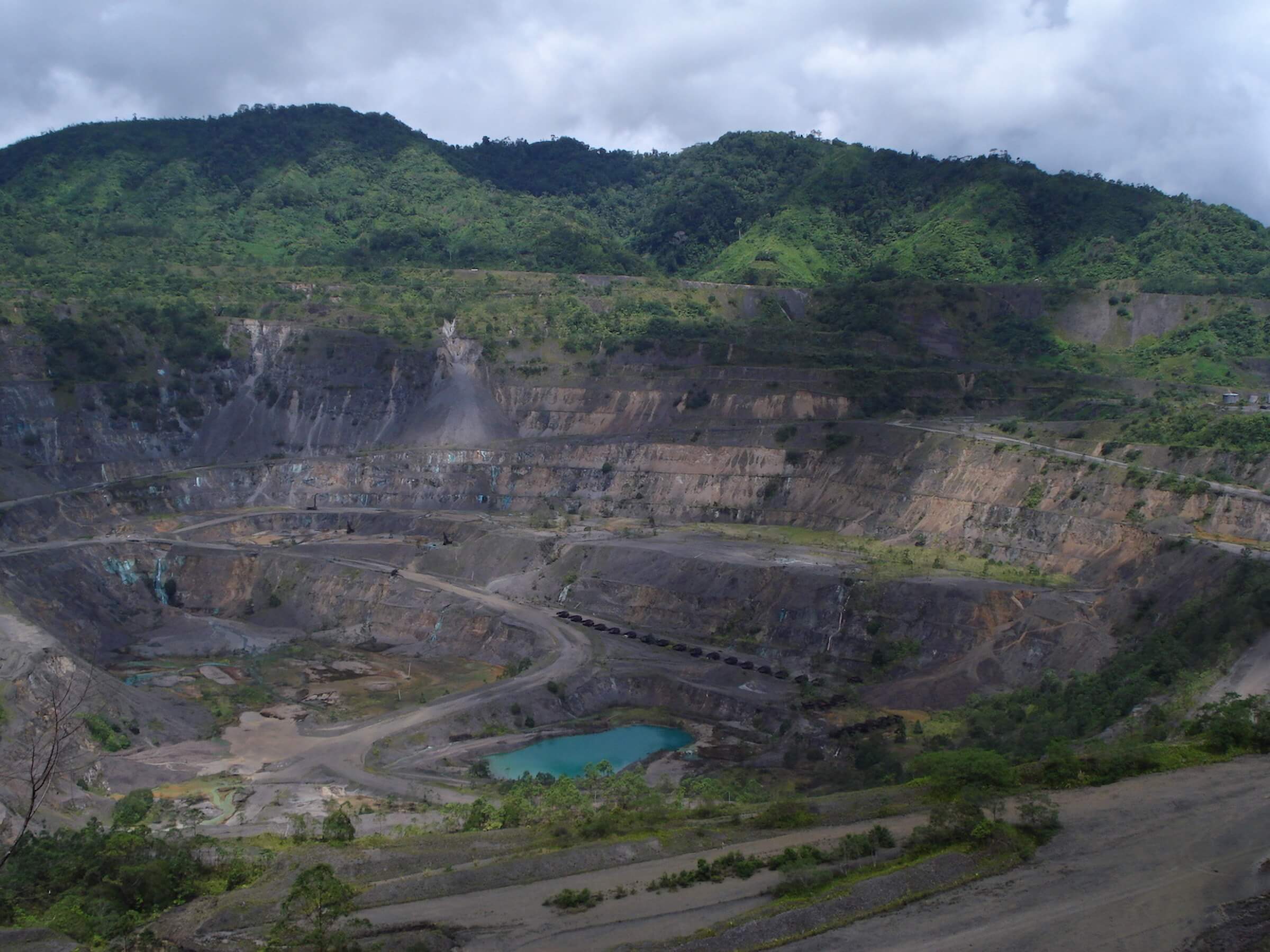
The Mekamui represent a cultural and political identity rooted in the traditions of Bougainville, an autonomous region in Papua New Guinea. The term “Mekamui” means “Holy Land” in the local Nasioi language and reflects a deeply spiritual relationship with the land and a strong aspiration for self-determination. Emerging prominently during the Bougainville Civil War, Mekamui identity became central to the movement advocating for independence and the protection of ancestral lands from external exploitation.
Mekamui communities have faced prolonged challenges due to decades of conflict over mining activities, especially surrounding the Panguna mine. Environmental degradation, displacement, and human rights abuses left lasting scars. Despite the 2001 peace agreement, unresolved grievances about land rights and economic sovereignty continue to fuel tension. The region’s complex relationship with the Papua New Guinean state poses barriers to full autonomy and equitable development.
The most inspiring facet of Mekamui identity lies in the resilience of its custodians, who have tirelessly championed environmental stewardship and indigenous governance models. Cultural revival through language, traditional leadership systems, and grassroots diplomacy continues to strengthen Mekamui solidarity. The 2019 referendum, in which an overwhelming majority voted for independence, reflects the enduring spirit of a land and its caretakers determined to shape their own future.