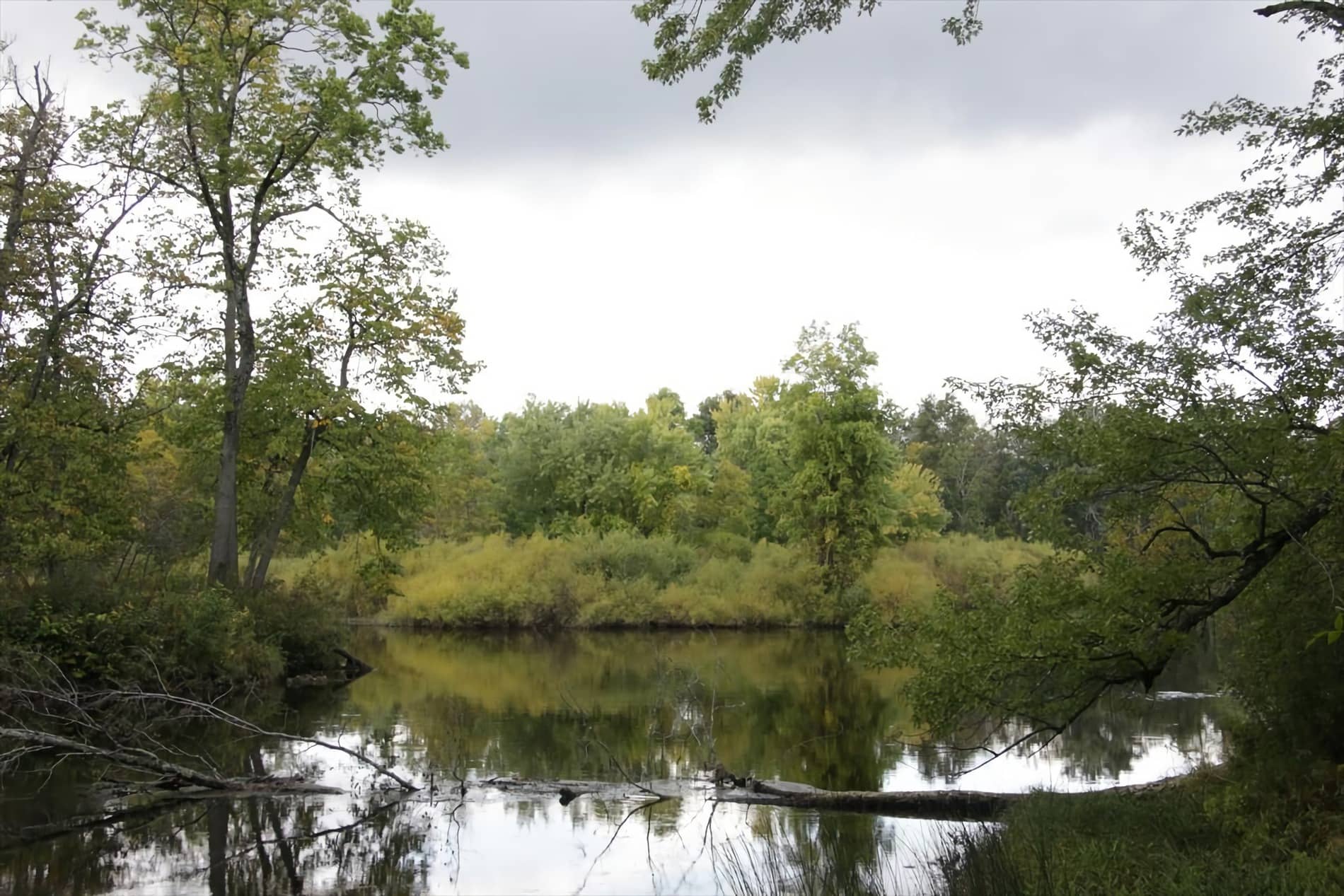
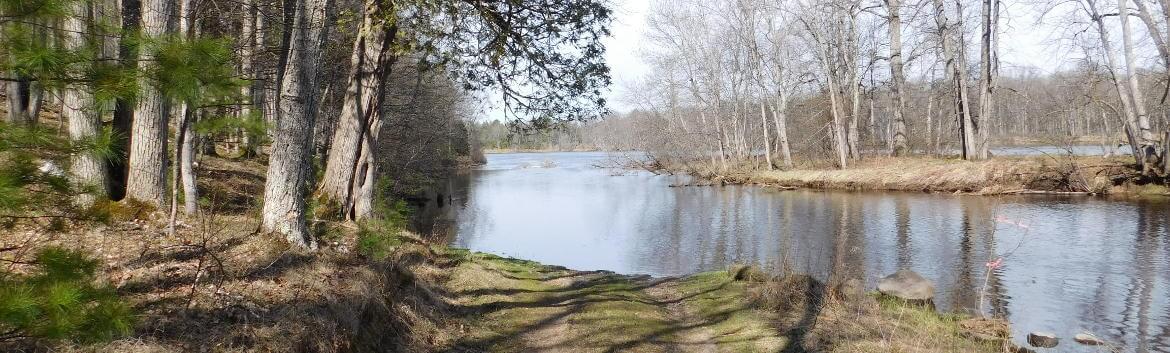
The Menominee are an Indigenous nation whose ancestral lands span present-day Wisconsin and Michigan. Known as the “Wild Rice Nation,” their identity has long been rooted in sustainable living, forestry, and stewardship of the environment. The Menominee have maintained a deep spiritual and ecological connection to their forested homelands, practicing one of the oldest sustainable forest management systems in North America, which has garnered global recognition for its effectiveness and ecological balance.
Despite centuries of resilience, the Menominee have faced substantial challenges, including forced relocation, deforestation, and a devastating federal termination policy enacted in 1954. Termination stripped them of federal recognition and disrupted their economy, health systems, and governance. Although federal recognition was restored in 1973 after intense grassroots advocacy, the legacy of termination still impacts infrastructure, education, and land management efforts today, particularly in the face of environmental threats and legal battles over treaty rights.
One of the most inspiring aspects of the Menominee story is their internationally respected forestry model, which balances cultural traditions with ecological science. Their forest remains intact and thriving after more than 150 years of logging—proof that Indigenous knowledge systems can lead environmental stewardship. The Menominee continue to serve as powerful advocates for land sovereignty, cultural revitalization, and Indigenous-led sustainability, offering a living example of endurance and innovation in the face of adversity.