The Mitsogho, also known as Tsogo, inhabit the highland regions of Ngounié Province in southern-central Gabon, particularly north and east of Mouila. Numbering around 13,000, they speak the Tsogo language, a Bantu tongue integral to their cultural identity. Historically, the Mitsogho were renowned for their woodcarving skills, producing intricate masks and reliquary figures used in ancestral rites. Their deep-rooted spiritual practices and artistic expressions have significantly contributed to Gabon’s rich cultural tapestry.
The Mitsogho face challenges related to land rights and cultural preservation. The establishment of national parks, such as Waka National Park, has led to restrictions on traditional land use, impacting their subsistence activities. Additionally, the influence of external religions and modernization has posed threats to the continuity of their cultural practices and language. Efforts to document and protect their heritage are ongoing but require sustained support to ensure the survival of their unique cultural identity.
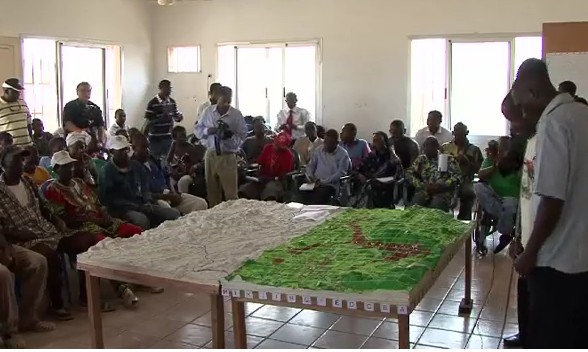
Despite these challenges, the Mitsogho have demonstrated resilience through cultural revival initiatives. They continue to practice traditional ceremonies, with masks playing a central role in their cultural expression. Moreover, the Mitsogho have engaged in participatory mapping projects to assert their land rights and contribute to environmental conservation efforts. These actions reflect a commitment to preserving their heritage while adapting to contemporary challenges.