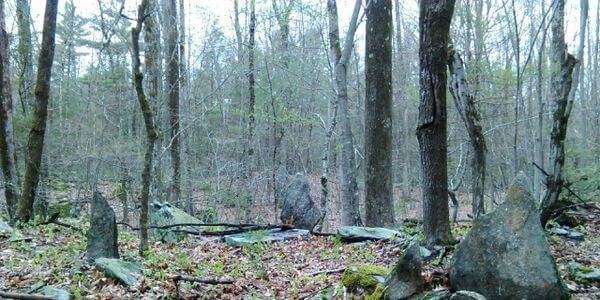
The Mohegan are an Indigenous nation with ancestral roots in present-day Connecticut. Historically part of the Algonquian-speaking cultures of the Northeastern Woodlands, the Mohegan developed a sophisticated society with strong governance, diplomatic skills, and rich spiritual traditions tied to the land. Their name means “People of the Wolf,” reflecting both social structure and cultural identity that remains alive through oral tradition and community institutions.
Following European colonization in the 17th century, the Mohegan faced displacement, land loss, and forced assimilation. Treaties were often violated, and traditional governance structures were undermined. In the 20th century, federal recognition was denied for decades, impeding access to land rights and self-determination. Economic hardship and cultural erosion were exacerbated by systemic barriers to education and healthcare services for Mohegan citizens.
The Mohegan have become a model of self-determination through the successful restoration of federal recognition in 1994 and the development of the Mohegan Sun enterprise. Revenues have been reinvested into education, healthcare, and cultural preservation, including the Mohegan Language Project and tribal archives. This revival, led by tribal elders and youth, stands as a testament to the Mohegan’s enduring commitment to sovereignty, heritage, and community wellbeing.