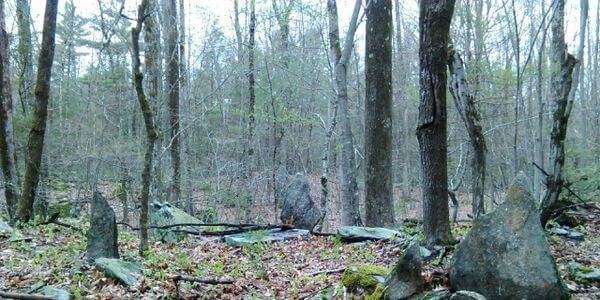
The Mohican are an Indigenous nation originally based along the Hudson River in what is now New York State. Known as the Muh-he-con-neok, or “People of the Waters That Are Never Still,” their ancestral territories spanned forests, rivers, and fertile valleys. The Mohican developed intricate trade networks, democratic governance, and spiritual traditions rooted in balance with nature. Their identity has endured centuries of upheaval and remains deeply connected to both place and memory.
During the 18th and 19th centuries, the Mohican were forcibly displaced multiple times, eventually resettling in Wisconsin. Land dispossession, broken treaties, and targeted assimilation policies—including Christianization and boarding schools—severely disrupted traditional life. Legal battles for recognition and land rights persisted well into the 20th century, reflecting broader systemic efforts to erase Indigenous autonomy and suppress cultural expression.
Today, the Stockbridge-Munsee Community, the federally recognized Mohican nation in Wisconsin, is actively reclaiming its heritage through language revitalization, cultural education, and environmental stewardship. Legal advocacy has also led to the return of sacred lands and increased visibility in ancestral homelands. Their persistence in protecting cultural identity, promoting intergenerational knowledge, and engaging in climate justice initiatives exemplifies the Mohican’s enduring strength and leadership in Indigenous resurgence.