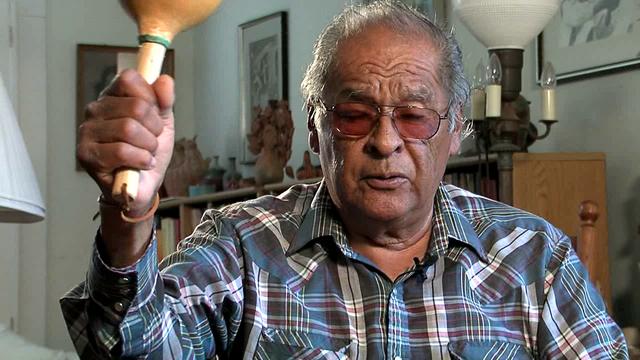
The Mojave are an Indigenous nation whose ancestral homelands stretch along the lower Colorado River in present-day Arizona, California, and Nevada. Known for their deep spiritual relationship with the river and surrounding desert landscapes, the Mojave developed sophisticated agricultural systems and a rich oral tradition that includes cosmology, creation stories, and ceremonial song cycles. Their cultural practices continue to emphasize harmony with natural elements and reverence for ancestral lands.
The Mojave have faced centuries of challenges, including forced relocation, the imposition of federal boarding schools, and the militarization of their lands. In recent decades, water diversion, dam construction, and industrial pollution have threatened the ecological balance of the Colorado River—a vital spiritual and economic resource. Additionally, jurisdictional conflicts over sovereignty and resource management have complicated efforts to protect sacred sites and enforce treaty rights.
Despite these obstacles, the Mojave have demonstrated extraordinary resilience through cultural resurgence and environmental leadership. Language revitalization efforts, youth education programs, and the defense of sacred lands—such as Spirit Mountain—illustrate a commitment to future generations. Through legal advocacy, intertribal collaboration, and sustainable land practices, the Mojave continue to assert their sovereignty and inspire movements for Indigenous ecological justice and cultural survival.