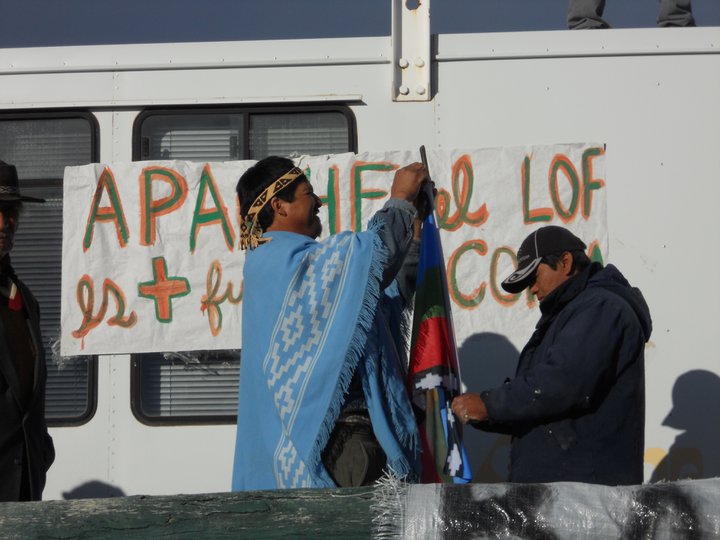
The Moquit are a farming community situated in South Africa, notably recognized for their deep connection to the land and traditional agricultural practices. Their livelihoods are closely tied to the rhythms of nature, with communal gatherings often held under the shade of marula trees, symbolizing unity and cultural continuity. These gatherings serve as pivotal moments for decision-making and reinforcing social bonds within the community.
The Moquit face significant challenges, particularly concerning land rights and environmental sustainability. Legal consultations have become a part of their efforts to address disputes and ensure the protection of their ancestral lands. Environmental changes and external pressures have also impacted their traditional farming methods, necessitating adaptations to preserve their way of life.
Despite these challenges, the Moquit demonstrate remarkable resilience by maintaining their cultural practices and communal decision-making processes. Their commitment to unity and tradition serves as an inspiring example of how communities can navigate modern complexities while honoring their heritage. The Moquit’s story underscores the importance of cultural preservation and collective action in the face of adversity.