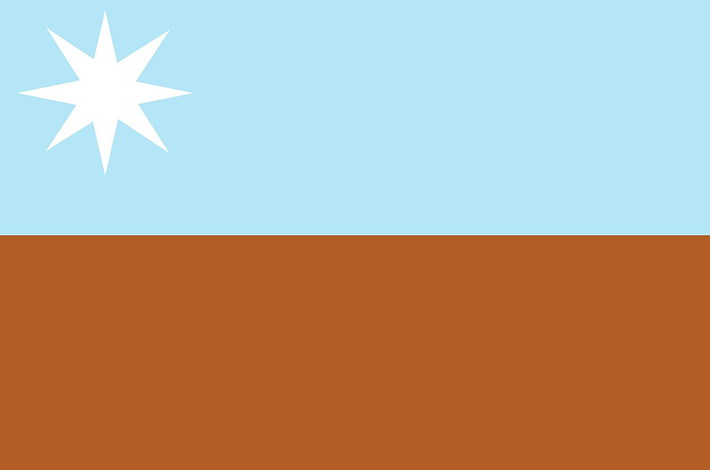
The Murrawarri are an Aboriginal nation whose ancestral lands span the border region between northwestern New South Wales and southwestern Queensland in Australia. Their connection to Country is foundational, extending through language, ceremony, songlines, and a continuous presence that predates colonial borders by tens of thousands of years. The Murrawarri hold a distinct identity tied to the drylands, waterholes, and river systems of the Culgoa, Birrie, Bokhara, and Warrego Rivers, maintaining a legacy of deep ecological stewardship and cultural endurance.
The Murrawarri face persistent challenges tied to the denial of sovereignty, land dispossession, and environmental degradation. One of the most pressing issues is access to water, as over-extraction and mismanagement of the Murray-Darling Basin have severely affected traditional waterways. In response to ongoing marginalization, the Murrawarri issued a formal declaration of independence in 2013, asserting their status as a sovereign nation unceded by treaty or conquest. This legal and political act challenges the legitimacy of Australian governance over their lands and calls for recognition under international law.
Inspiringly, the Murrawarri are at the forefront of grassroots sovereignty movements in Australia, blending cultural revival with legal strategy. Elders and knowledge keepers are leading efforts to revitalize language and traditional knowledge systems, while younger generations use digital tools to amplify their voices globally. The Murrawarri Republic, formed as a self-declared political entity, is not just symbolic—it represents a determined pursuit of justice, land rights, and historical truth. Their actions resonate as a powerful statement of resilience, asserting identity and agency in the face of systemic erasure.