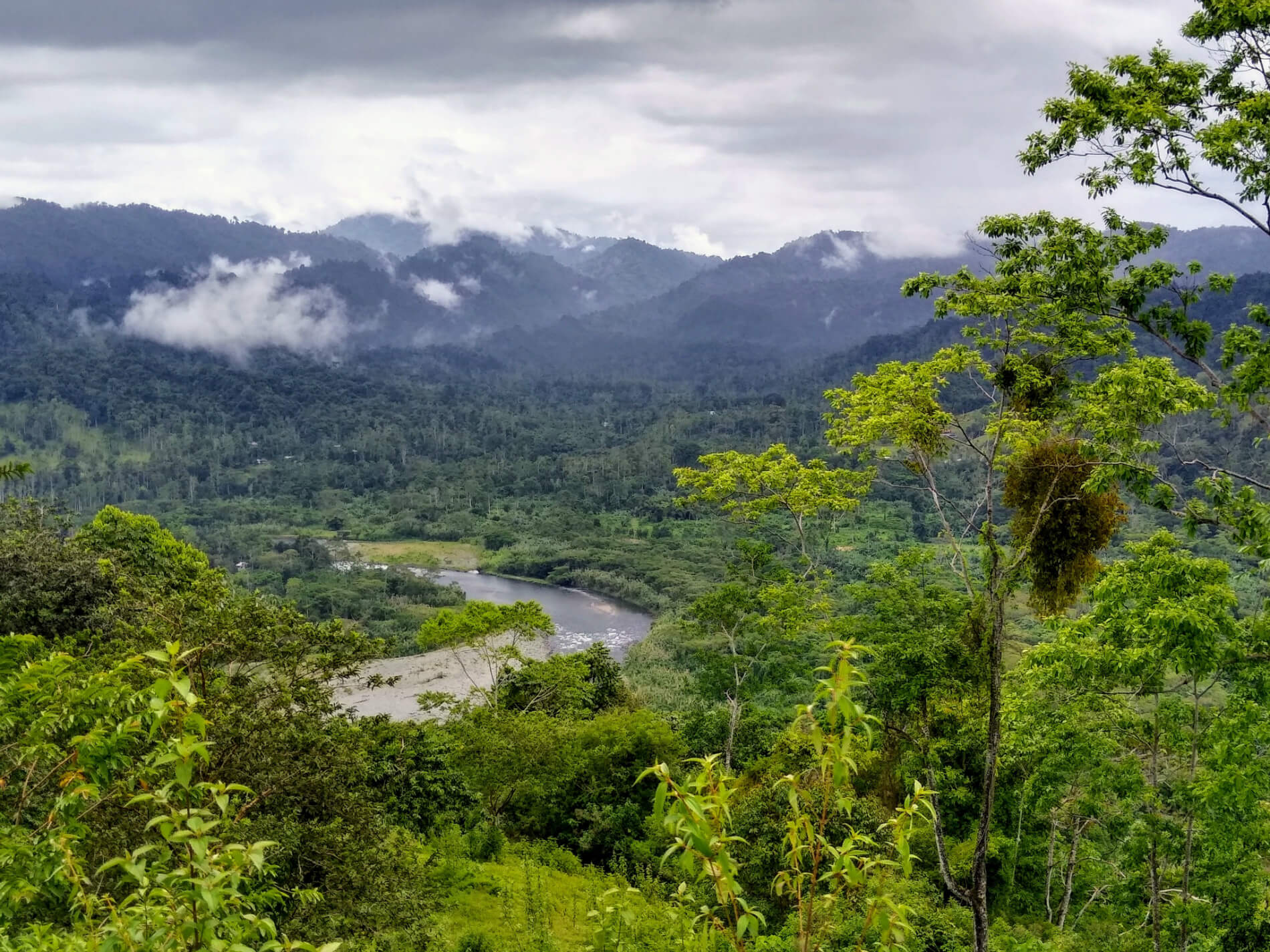
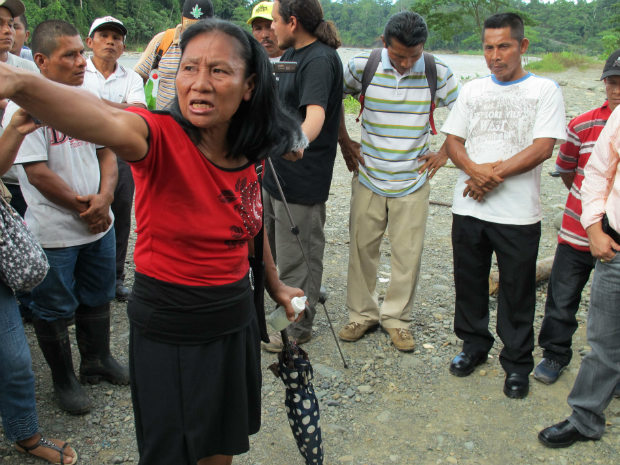
The Naso are an Indigenous nation residing primarily along the Teribe River in northwestern Panama. Known for their close relationship with the rainforest and its biodiversity, the Naso have sustained their culture through subsistence farming, fishing, and forest stewardship. Their language, Naso Tjerdi, is part of the Chibchan family and remains a vital expression of their identity. Traditional leadership is embodied in a monarchy—the only recognized Indigenous kingdom in the Americas—symbolizing centuries of governance based on respect, harmony, and ecological responsibility.
For decades, the Naso faced serious threats from logging, hydroelectric projects, and territorial encroachment. One of the most contentious issues was the construction of a large hydroelectric dam, which jeopardized their sacred sites, disrupted ecosystems, and threatened their way of life. Despite these challenges, the Naso had limited legal recognition and struggled to protect their ancestral lands. Bureaucratic delays and competing land claims further hindered their ability to exercise sovereignty and defend their environmental rights.
In an inspiring turn of events, the Naso achieved a historic victory in 2020 when the government of Panama formally recognized the Naso Tjër Di Comarca, granting them territorial autonomy over more than 160,000 hectares of forested land. This recognition marked the culmination of decades of peaceful resistance, legal advocacy, and intergenerational solidarity. Today, the Naso are strengthening their language, education, and conservation efforts—offering a powerful example of how Indigenous resilience and legal activism can protect both cultural identity and biodiversity.