The Navajo, or Diné, are an Indigenous nation with ancestral homelands spanning parts of Arizona, New Mexico, and Utah. With a culture deeply tied to the land, the Navajo maintain rich traditions in weaving, silversmithing, and storytelling, alongside a profound spiritual cosmology centered on harmony with nature. The Navajo language is one of the most spoken Indigenous languages in North America and remains a vital link to their history, identity, and worldview. Their governance structure includes a democratically elected government, reflecting both modern and traditional values.
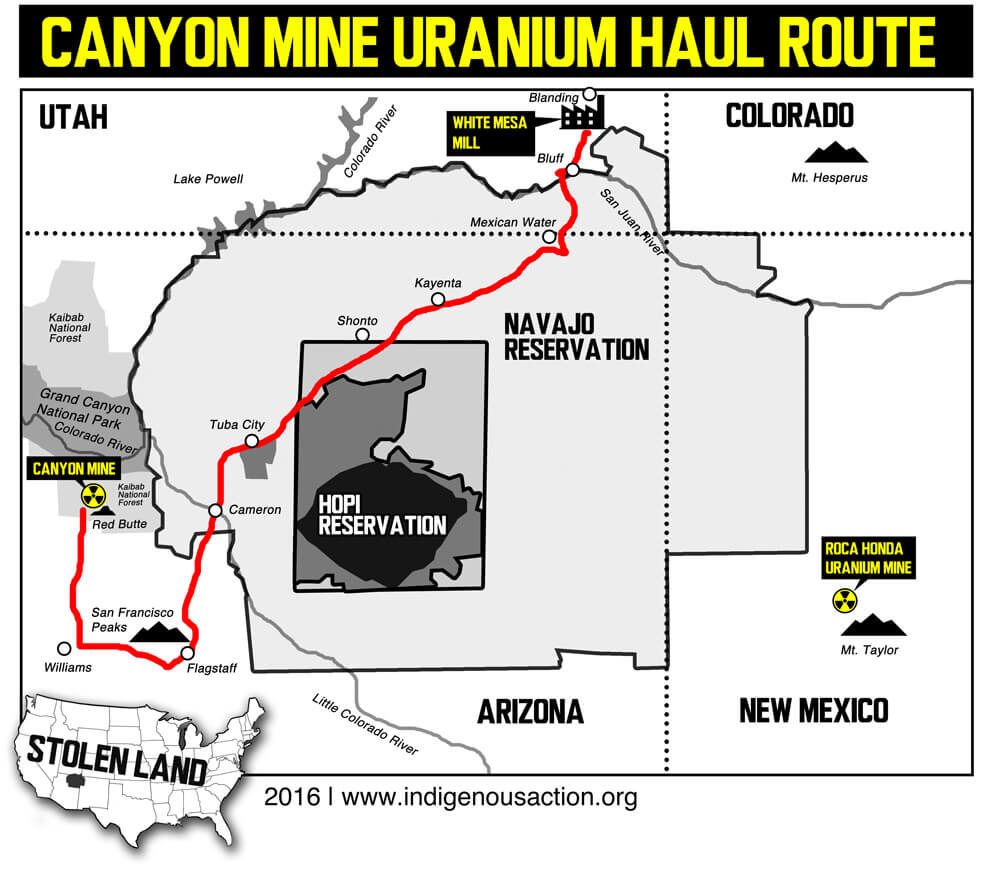
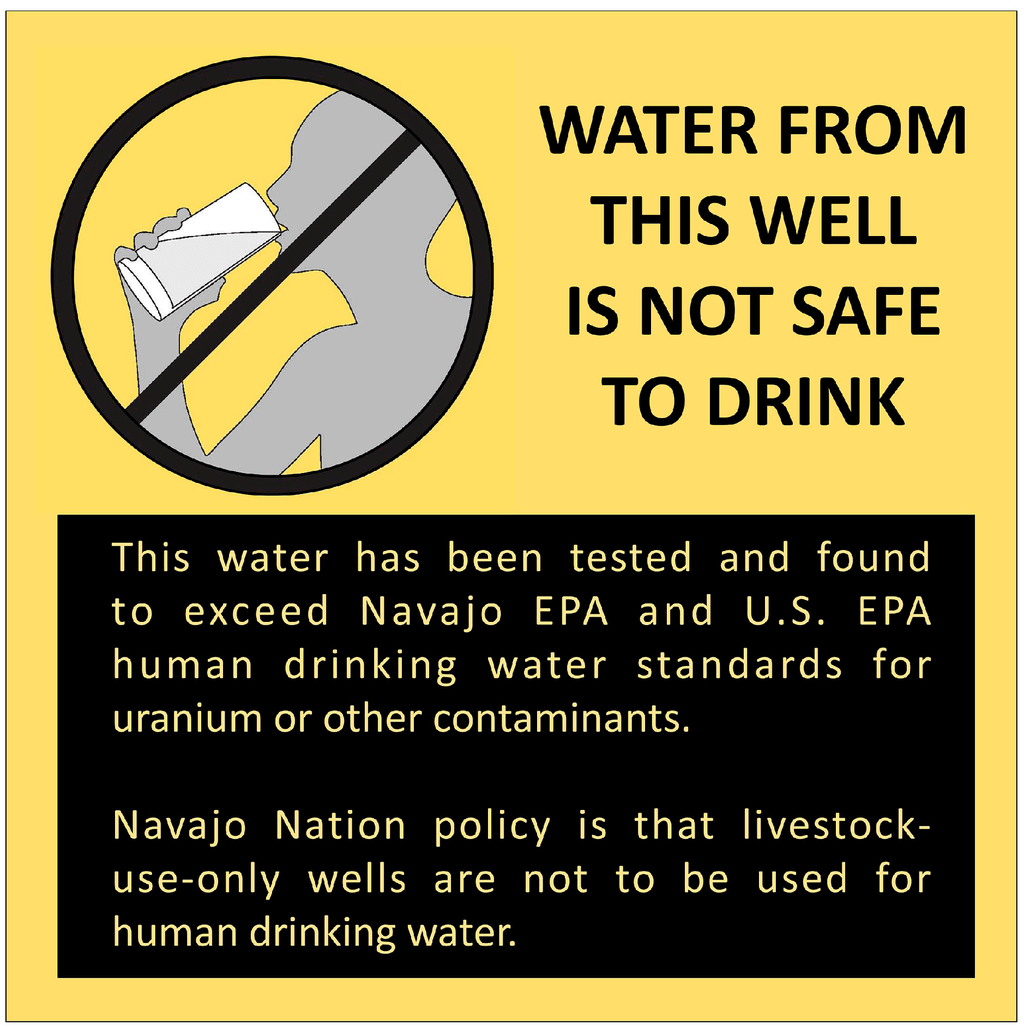
The Navajo have endured long-standing challenges due to colonization, land dispossession, and environmental exploitation. Uranium mining during the Cold War left behind toxic waste and contaminated water sources, leading to serious health impacts that persist today. Additionally, access to basic infrastructure—such as electricity, internet, and clean water—remains limited for many households across the Navajo Nation. The COVID-19 pandemic exposed systemic inequities, placing a disproportionate burden on Navajo families and highlighting the urgent need for healthcare and resource equity.
The Navajo continue to inspire through their unwavering commitment to cultural preservation and self-determination. During World War II, Navajo Code Talkers played a critical role in U.S. military communications, using their language to create an unbreakable code. Today, efforts to revitalize Navajo language and traditions are flourishing in schools, media, and community programs. With a growing movement focused on food sovereignty, environmental justice, and youth empowerment, the Navajo Nation stands as a powerful example of strength, endurance, and cultural pride in the face of historical and modern challenges.