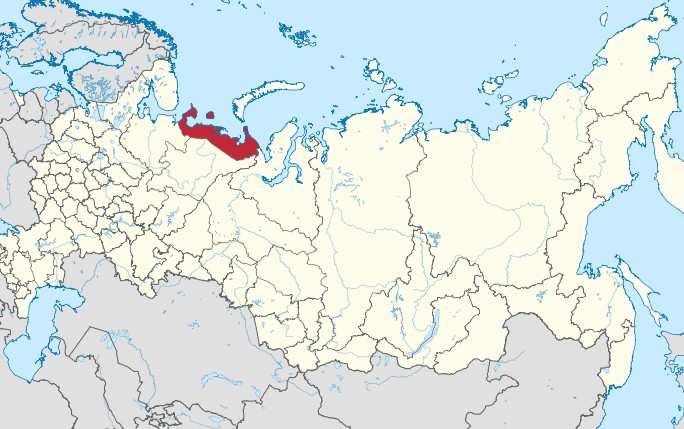
The Nenets are an Indigenous nation inhabiting the vast tundras of northern Siberia, particularly within the Yamal-Nenets and Nenets Autonomous Okrugs of Russia. For centuries, their way of life has revolved around seasonal reindeer herding, with migratory patterns spanning thousands of kilometers across frozen landscapes. The Nenets speak a Uralic language distinct from Russian and maintain animistic spiritual traditions that honor the land, animals, and ancestral spirits. Their intimate relationship with the Arctic ecosystem exemplifies a sustainable, land-based existence adapted to extreme climates.
The Nenets face escalating challenges due to climate change and industrial expansion. Melting permafrost, unpredictable weather, and shrinking grazing lands threaten the delicate balance of reindeer herding traditions. Additionally, oil and gas development—especially in the Yamal Peninsula—has disrupted migratory routes and degraded critical habitats. These pressures, coupled with the effects of assimilation policies and limited access to culturally appropriate education and healthcare, place immense strain on the continuation of Nenets lifeways.
In the face of profound disruption, the Nenets remain a powerful symbol of resilience and environmental guardianship. Many families continue their migratory traditions despite harsh conditions, adapting with ingenuity while preserving language, songs, clothing, and oral histories. Nenets voices have also become central in global climate discourse, drawing attention to the impacts of Arctic warming on Indigenous sovereignty and biodiversity. Their endurance not only preserves one of the world’s last nomadic lifestyles but also offers a living testimony to the strength of cultural continuity in a rapidly changing world.