The Ngalia are an Aboriginal nation of Central Australia, traditionally associated with the Western Desert and surrounding regions of the Northern Territory. Their culture is deeply embedded in the Tjukurpa (Dreaming) — a complex spiritual system that guides law, land management, and social behavior. The Ngalia have maintained intricate knowledge of desert ecology, ceremonial songlines, and sacred sites, many of which are central to their spiritual identity and survival in arid landscapes.
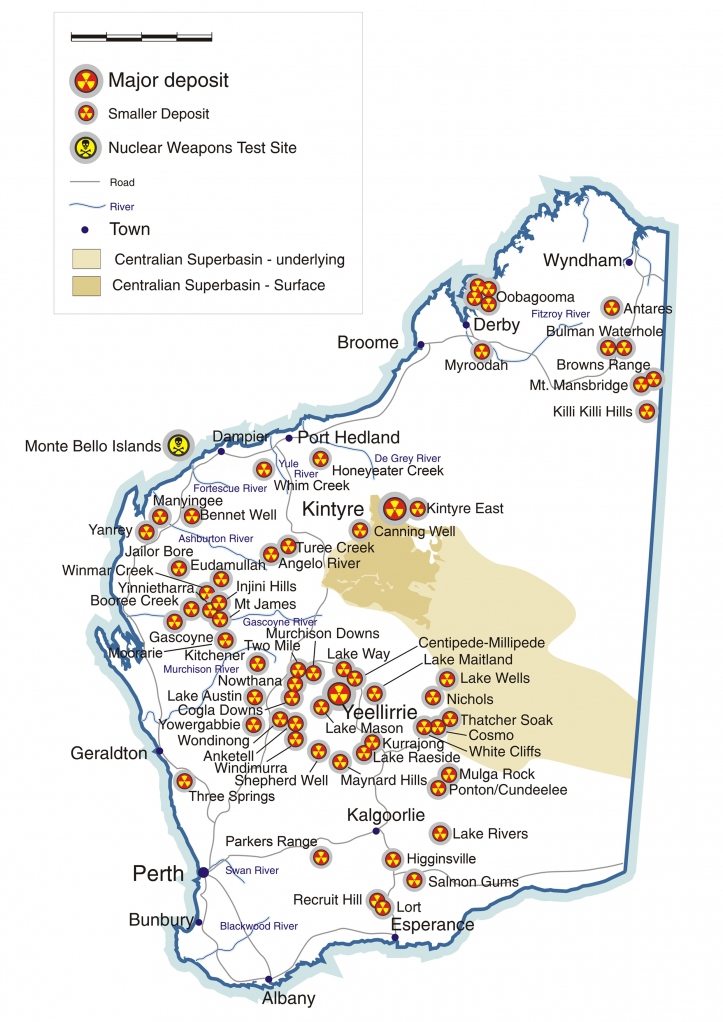
The Ngalia have endured longstanding challenges resulting from colonization, including forced displacement from traditional lands, restrictions on cultural practices, and limited recognition of land rights. Mining operations—particularly uranium extraction—have disrupted sacred sites and desecrated ancestral territories. Additionally, the legacy of the Stolen Generations and marginalization in public policy have contributed to intergenerational trauma, cultural disconnection, and reduced access to essential services such as education, health, and housing.
Inspiring efforts by Ngalia Elders and community leaders have focused on reclaiming land, revitalizing language, and teaching Tjukurpa to younger generations. Their activism has included strong opposition to environmentally destructive projects, and legal campaigns to protect cultural heritage. These efforts exemplify a profound resilience, asserting that spiritual knowledge and traditional land stewardship are not only cultural responsibilities but vital solutions to contemporary ecological and social crises in Australia’s heartland.