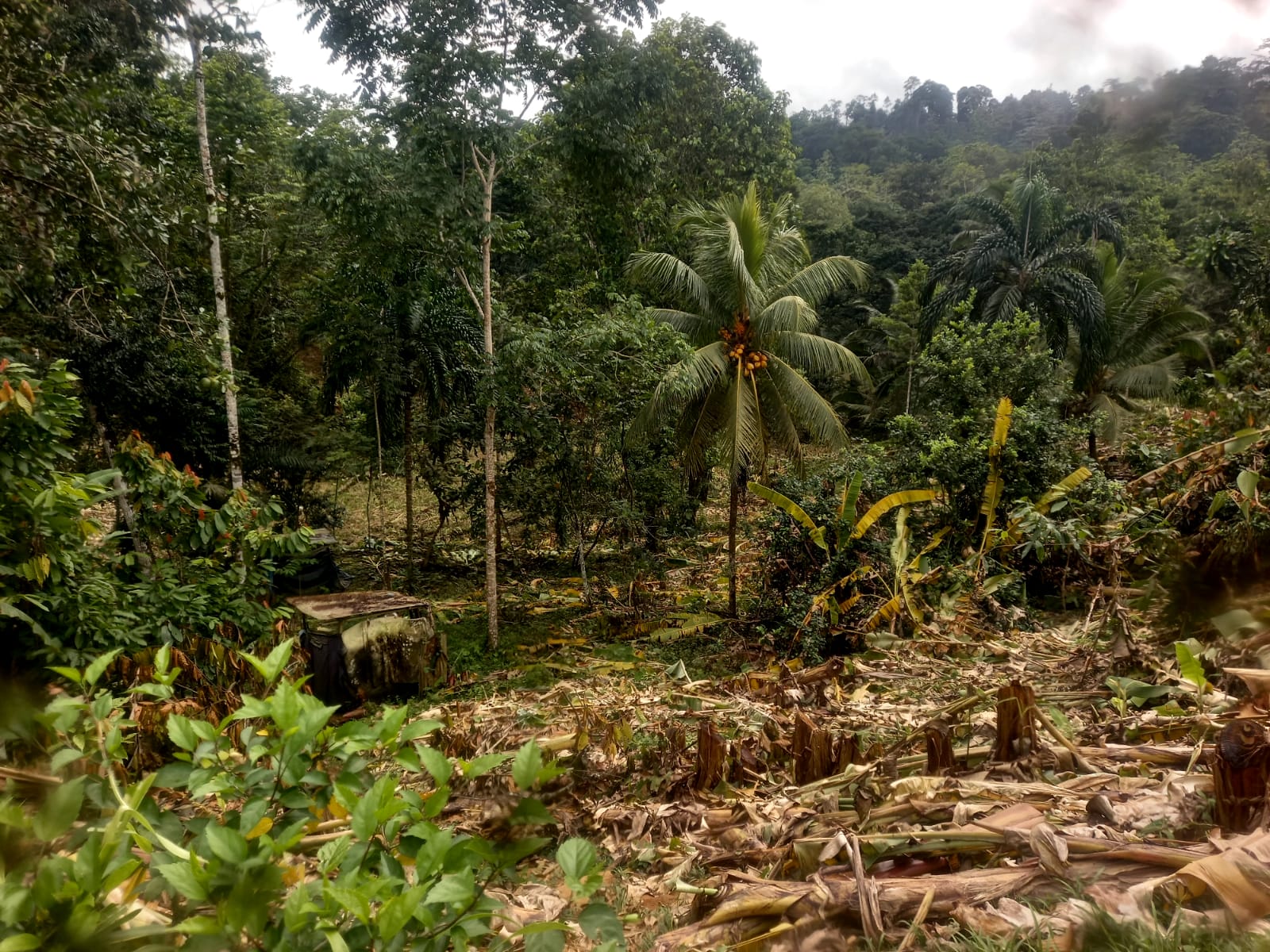
The Ngäbe-Buglé are an Indigenous nation inhabiting the mountainous and rainforest regions of western Panama, primarily within the Ngäbe-Buglé Comarca—a semi-autonomous territory created to protect their ancestral lands. Known for their vibrant textile arts, traditional dress, and subsistence farming, they have sustained a deep-rooted connection to the environment through communal living and agricultural cycles. Their languages, Ngäbere and Buglére, remain essential to cultural identity and oral tradition across generations.
The Ngäbe-Buglé face pressing challenges due to mining projects, hydroelectric developments, and limited access to healthcare, education, and infrastructure. Large-scale extraction initiatives—often approved without proper consultation—have displaced communities and contaminated vital water sources. Structural inequality continues to impact their political influence, while poverty and climate-related disruptions make daily survival increasingly difficult. These pressures have created a need for stronger protections of territorial rights and cultural autonomy.
Despite adversity, the Ngäbe-Buglé are widely recognized for their powerful grassroots movements and cultural endurance. Women play a central role in environmental defense and the preservation of ancestral knowledge, often leading protests and educational initiatives. The Comarca itself stands as a testament to their persistent advocacy for self-determination and ecological protection. Through cultural revitalization programs, sustainable farming practices, and intergenerational teaching, the Ngäbe-Buglé continue to assert their identity while defending the land they have cared for over centuries.