The Nguti are an Indigenous nation located in the lush, forested regions of Southwest Cameroon, near the border with Nigeria. Traditionally, their livelihoods have been closely tied to subsistence agriculture, hunting, and the sustainable use of forest resources. The Nguti language and oral traditions carry vital knowledge about land, wildlife, and spiritual practices. Community cohesion is deeply rooted in kinship networks, communal labor, and respect for elders, forming the backbone of social organization and resilience.
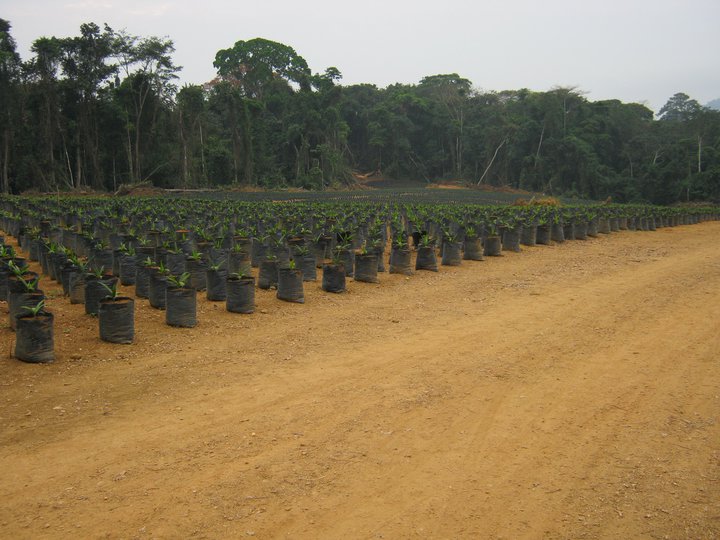
Nguti territory has come under increasing pressure from commercial logging, agricultural plantations, and land concessions granted without free, prior, and informed consent. These external threats have contributed to deforestation, soil degradation, and the loss of sacred lands. The broader context of political instability in Cameroon, particularly in the Anglophone regions, has further marginalized Nguti voices and hindered access to education, healthcare, and justice. Cultural erosion and displacement remain ongoing concerns as traditional structures are undermined.
Despite these challenges, the Nguti demonstrate remarkable environmental stewardship and grassroots activism. Local leaders and youth have organized to resist destructive development projects and reclaim their right to manage ancestral lands. Efforts to document oral histories, protect biodiversity, and pass on ecological knowledge reflect a growing movement to strengthen identity and autonomy. Their commitment to sustainable living and cultural survival stands as a powerful example of Indigenous resilience and leadership in the face of global environmental threats.