The Otomí are an Indigenous nation rooted in the central highlands of Mexico, with ancestral territories spanning modern-day states such as Hidalgo, Querétaro, México, Puebla, and Veracruz. Known for their vibrant textile arts, agricultural systems, and traditional medicine, the Otomí preserve a cultural legacy that predates the Aztec Empire. Their languages, part of the Oto-Manguean family, carry deep cosmological meanings and remain central to identity and ceremony. Spirituality, land, and collective memory continue to shape daily life and resistance.
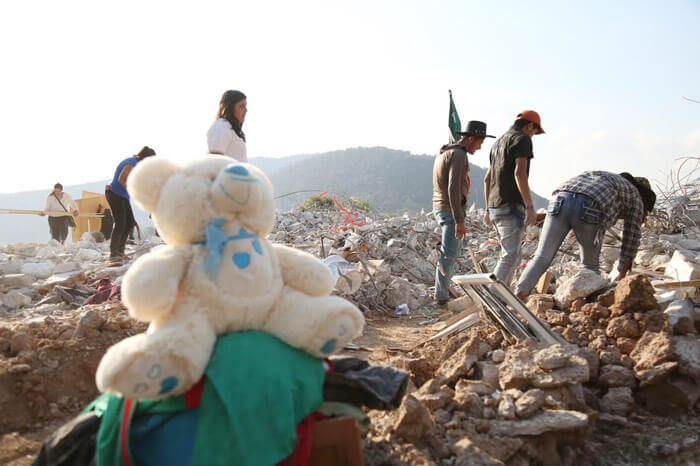
The Otomí face significant challenges, including encroachment on sacred lands, environmental degradation, and the marginalization of their languages and governance structures. Urban expansion and mega-projects—such as mining, dams, and highways—have threatened territories without free, prior, and informed consent. Discrimination in education and health services further entrenches socioeconomic inequalities, while the pressure to assimilate into dominant cultural norms undermines Indigenous self-determination. Despite constitutional recognition, state policies often fall short of protecting Otomí autonomy and traditional lifeways.
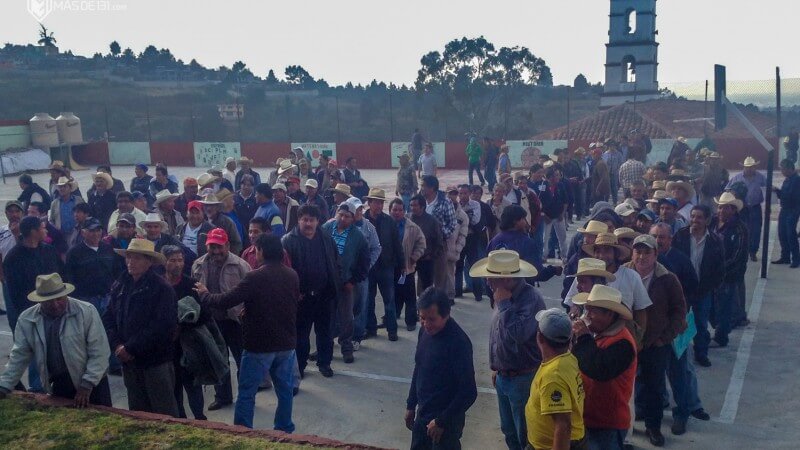
What is profoundly inspiring about the Otomí is their leadership in defending ancestral territories and revitalizing cultural practices. Women in particular have led movements for land rights, artisan cooperatives, and community-based education rooted in Otomí language and worldview. In urban centers, displaced Otomí families have transformed informal settlements into strongholds of political activism and Indigenous pride. Through rituals, storytelling, and grassroots organizing, the Otomí continue to embody resistance and renewal—proving that cultural survival is not only possible, but powerful.