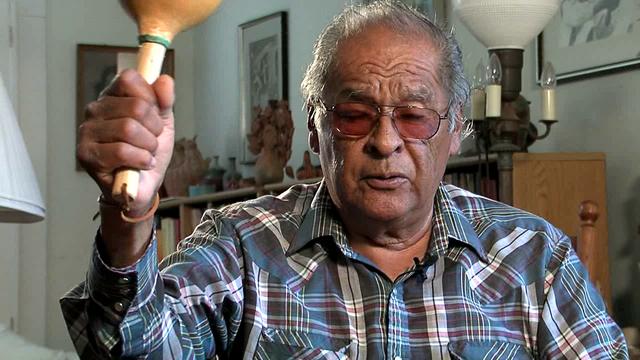
The Paipai are an Indigenous nation rooted in the arid highlands of northern Baja California, Mexico. Traditionally inhabiting the Sierra de Juárez and surrounding areas, the Paipai have cultivated a deep relationship with their environment through hunting, foraging, and seasonal agriculture. Their language, part of the Yuman family, carries ancestral knowledge tied to land stewardship, ritual, and oral tradition. Despite centuries of external pressure, Paipai communities continue to uphold ceremonies, kinship networks, and ecological practices adapted to one of North America’s most challenging terrains.
The Paipai face acute challenges related to cultural survival, environmental encroachment, and generational displacement. Colonization, missionization, and more recent extractive industries have led to land loss, water scarcity, and fragmented community structures. With a declining number of fluent speakers, the Paipai language is considered critically endangered. Limited access to healthcare, education, and political representation further compounds the struggle, as national development agendas often overlook the rights and realities of Indigenous nations living in remote or semi-arid regions.
What makes the Paipai especially inspiring is their dedication to cultural revival through language preservation, traditional healing, and intergenerational teaching. Elders play a central role in passing on stories, songs, and medicinal knowledge, while younger generations are increasingly involved in documentation and revitalization efforts. Community gatherings and regional alliances with other Yuman-speaking nations help strengthen resilience and solidarity. Against the backdrop of ecological and political adversity, the Paipai continue to protect their identity, land, and ancestral memory with quiet strength and unwavering purpose.