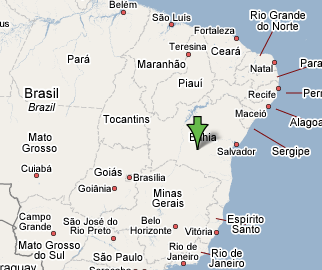
The Pataxó are an Indigenous nation rooted in the coastal and forested regions of Bahia, Brazil. With a deep spiritual and ecological connection to the Atlantic Forest biome, their lifeways revolve around agroforestry, fishing, and traditional crafts. Despite colonization pressures, the Pataxó have preserved elements of their Patxohã language, rich ceremonial practices, and a holistic worldview grounded in nature stewardship. Their ancestral presence along the coast predates Portuguese contact and continues to shape regional cultural heritage.
The Pataxó face longstanding challenges linked to forced displacement, deforestation, and territorial conflict. Centuries of land theft—intensified by tourism development, ranching, and monoculture farming—have threatened their survival and autonomy. Many Pataxó territories remain unrecognized or are under constant legal contest. This instability has led to struggles over access to health care, education, and culturally appropriate infrastructure, while the erosion of native language and traditions poses further risk to identity and self-determination.
Inspiring efforts across Pataxó villages are being led by youth, women, and elders focused on language revitalization, land recovery, and educational reform. Community-run schools, eco-tourism initiatives, and public demonstrations have helped bring national attention to their rights and achievements. The reclaiming of sacred lands and cultural practices—despite ongoing repression—speaks to the Pataxó’s unwavering resilience. Their story is not only one of survival but of powerful resurgence and cultural renaissance in defense of land, identity, and future generations.