The Pech are an Indigenous nation of northeastern Honduras, with ancestral territories rooted in the biodiverse highlands and tropical forests of the Olancho and Colón departments. Traditionally known for their sustainable agriculture, spiritual connection to the land, and intricate knowledge of medicinal plants, the Pech speak their own Chibchan-derived language and maintain practices that date back thousands of years. Their worldview emphasizes harmony with nature, communal governance, and the passing of ancestral knowledge through oral tradition and ceremony.
The Pech face serious challenges due to deforestation, land encroachment, and limited legal protection. Logging, cattle ranching, and agricultural expansion have led to the loss of vital ecosystems and displacement from sacred territories. Their language is critically endangered, with only a small number of fluent speakers remaining—most of them elders. Structural neglect from national authorities has exacerbated poverty, limited educational access, and hindered efforts to safeguard their heritage in an increasingly globalized environment.
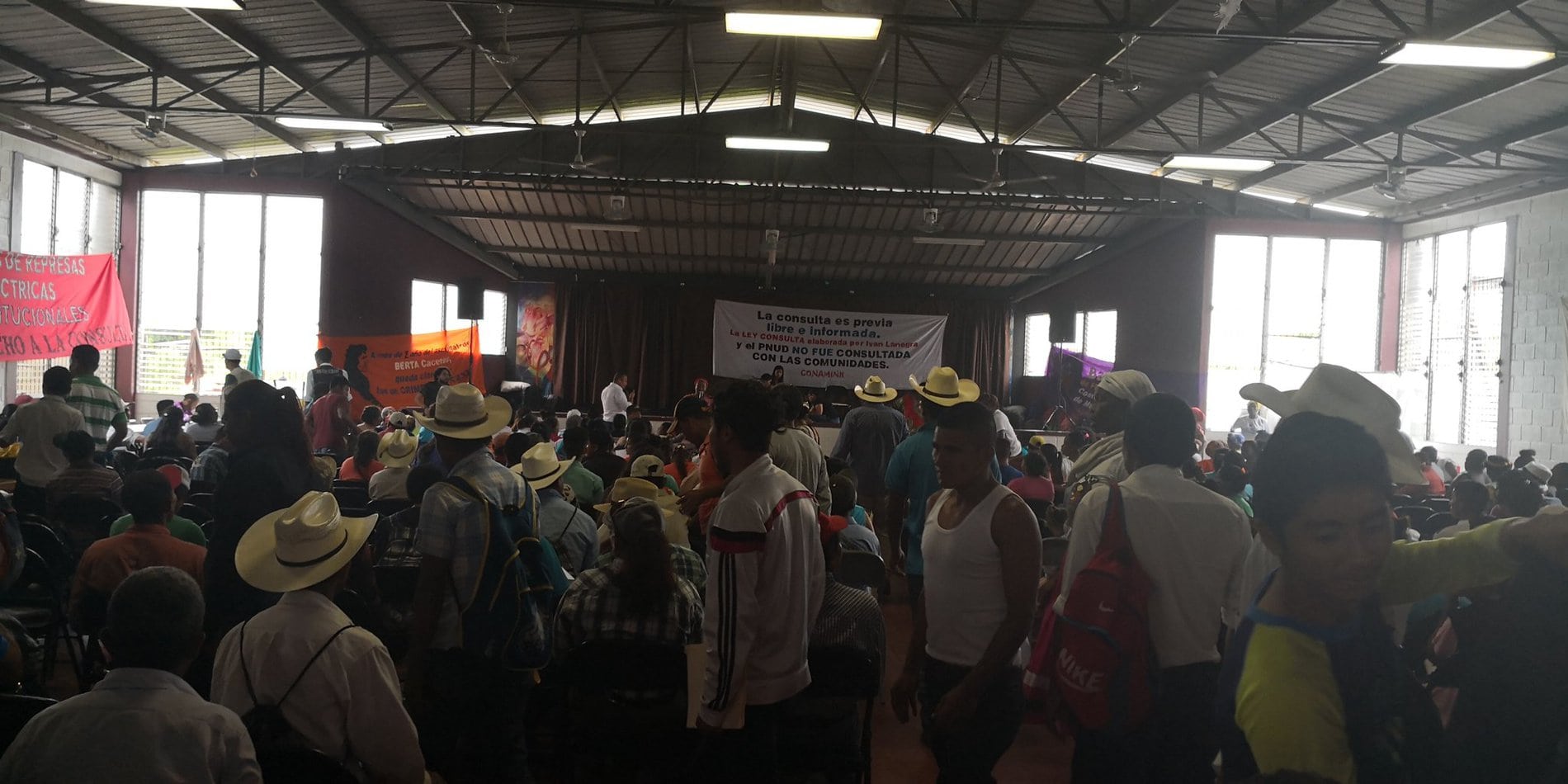
Inspiring movements are emerging from within Pech communities to reclaim land rights, strengthen cultural identity, and revitalize language through community-led schools and educational media. Environmental defenders are partnering with conservationists to protect remaining forestlands from illegal exploitation while advocating for legal recognition and Indigenous autonomy. These efforts—driven by youth, elders, and grassroots leadership—are a powerful testament to the Pech commitment to resilience, intergenerational continuity, and ecological guardianship in the face of ongoing adversity.