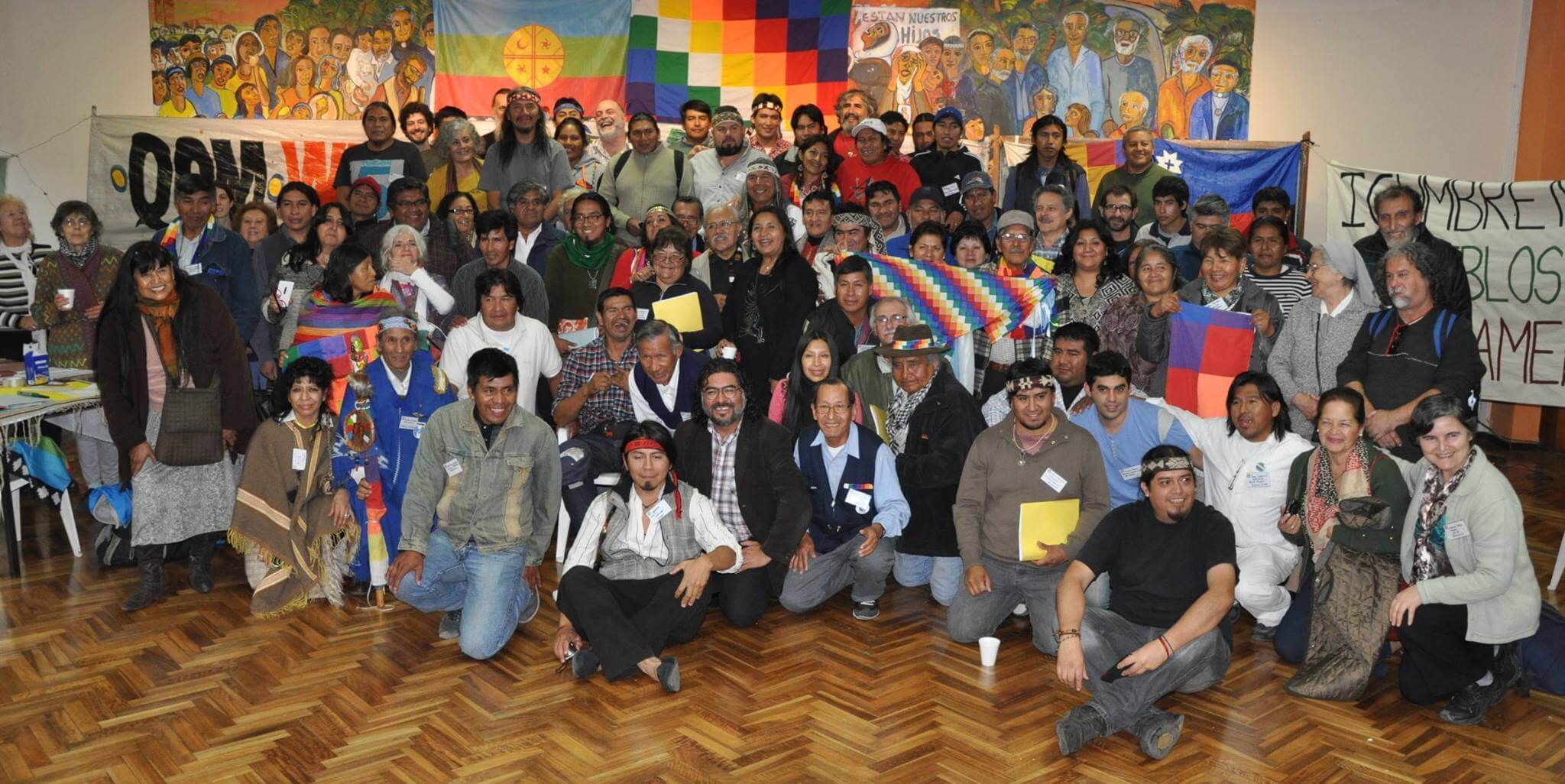
The Pilagá are an Indigenous nation native to the Gran Chaco region of northern Argentina, particularly in the province of Formosa. As part of the Guaycuruan linguistic family, the Pilagá have historically maintained deep spiritual and ecological connections with their forested environment. Their worldview emphasizes reciprocity, oral tradition, and harmonious relations with nature—practices that continue to shape their ceremonial life, craftsmanship, and social structures.
The Pilagá continue to face ongoing challenges related to land dispossession, poverty, and limited access to healthcare and education. Encroachment by agribusiness, deforestation, and legal ambiguity around Indigenous land claims have disrupted traditional livelihoods and weakened territorial autonomy. These pressures are compounded by systemic neglect and discrimination, creating barriers to cultural transmission and self-determination.
In recent years, the Pilagá have demonstrated powerful resilience by reclaiming ancestral lands and revitalizing language and cultural practices. One inspiring milestone was a legal victory recognizing communal land rights—setting a precedent for other Indigenous nations in Argentina. Elders and youth are working together through community-led education, storytelling, and ceremonial revival to restore cultural continuity and assert sovereignty. Their path forward blends tradition with activism, embodying strength, survival, and a renewed connection to land.