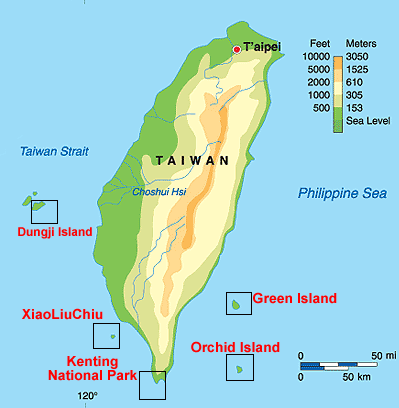
The Pinpu are one of the recognized Indigenous nations of Taiwan, traditionally inhabiting the western lowland plains and coastal regions. With a rich cultural heritage rooted in agriculture, fishing, and oral tradition, the Pinpu have long maintained deep spiritual ties to the land and sea. Their identity is closely linked to traditional rituals, clan-based governance, and ancestral knowledge that honors balance with the natural world.
For centuries, the Pinpu have faced political erasure, land loss, and cultural suppression, beginning with Dutch and Chinese colonization and continuing under Japanese rule and postwar national policies. One of the most enduring challenges has been the lack of formal recognition for many Pinpu communities, excluding them from vital legal protections and cultural rights. This marginalization has led to struggles in language preservation, land restitution, and access to Indigenous rights frameworks.
Despite institutional barriers, the Pinpu are leading a powerful resurgence of cultural identity and political presence. Community leaders and youth advocates are revitalizing language through education initiatives, reclaiming sacred sites, and asserting rights through public policy and international forums. Their inspiring work has sparked broader conversations about reconciliation and Indigenous justice within Taiwanese society, positioning the Pinpu as resilient voices shaping the island’s cultural and ecological future.