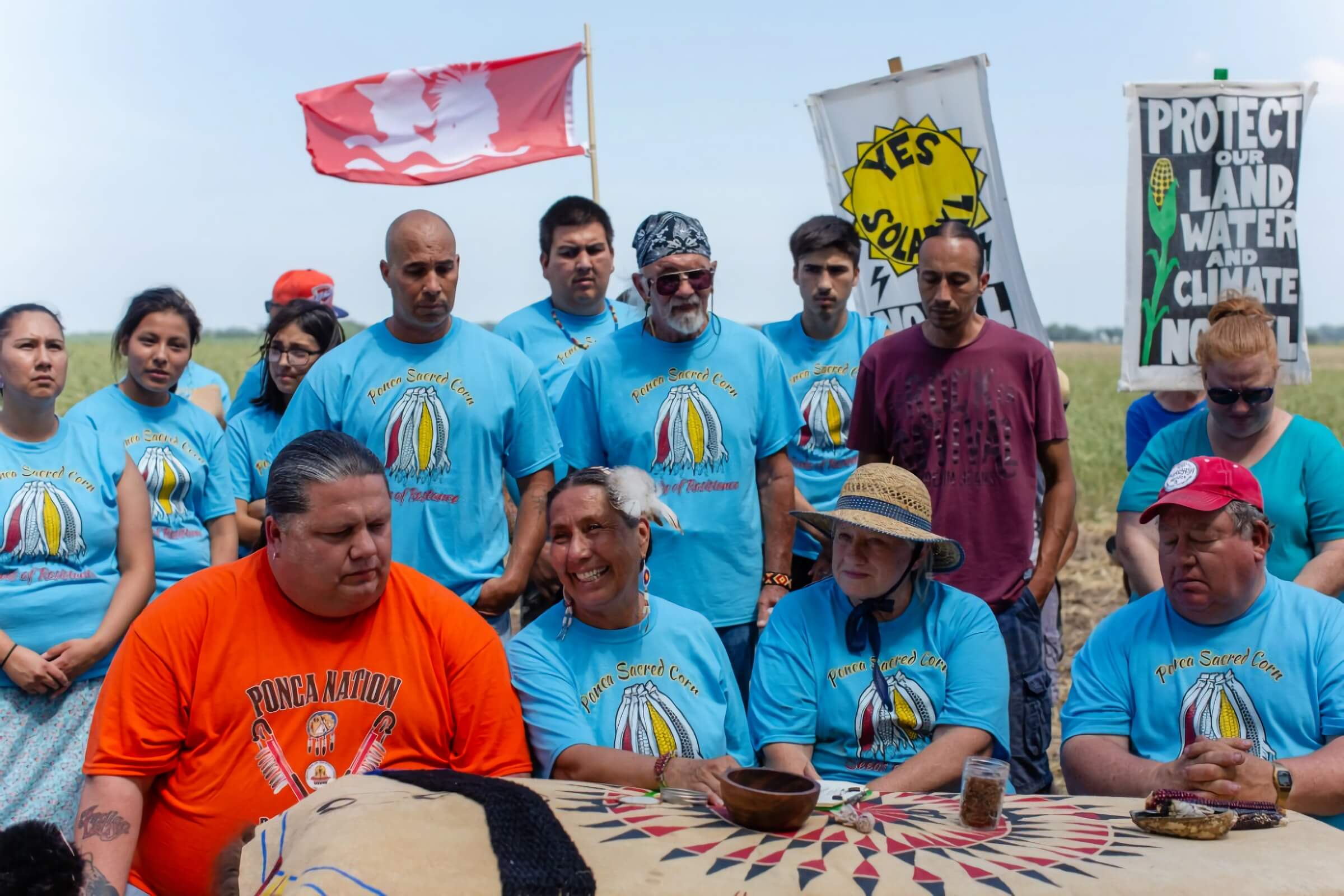
The Ponca originate from the Great Plains region, with ancestral ties to areas now known as Nebraska and Oklahoma. Known for a rich cultural heritage that includes intricate ceremonies, oral histories, and diplomatic alliances, the Ponca maintained distinct political and social structures long before colonization. Their traditional knowledge systems, centered on ecological balance and kinship, continue to inform contemporary life and governance.
In the 19th century, the Ponca faced forced removal from their Nebraska homelands in violation of treaty promises, leading to widespread suffering and death during the infamous Ponca Trail of Tears. In modern times, challenges persist through environmental racism, threats to sacred sites, and jurisdictional limitations over tribal lands. Additionally, the fight for federal recognition and full sovereignty remains a barrier for equitable development and self-determination.
The legacy of the Ponca Nation includes powerful moments of resistance and justice. The 1879 landmark case of Standing Bear v. Crook, in which Ponca Chief Standing Bear successfully argued for the recognition of Native Americans as persons under U.S. law, remains a pivotal moment in civil rights history. Today, the Ponca continue to reclaim land, revitalize language and culture, and serve as leaders in environmental restoration—embodying a resilient vision rooted in ancestral law and the protection of future generations.