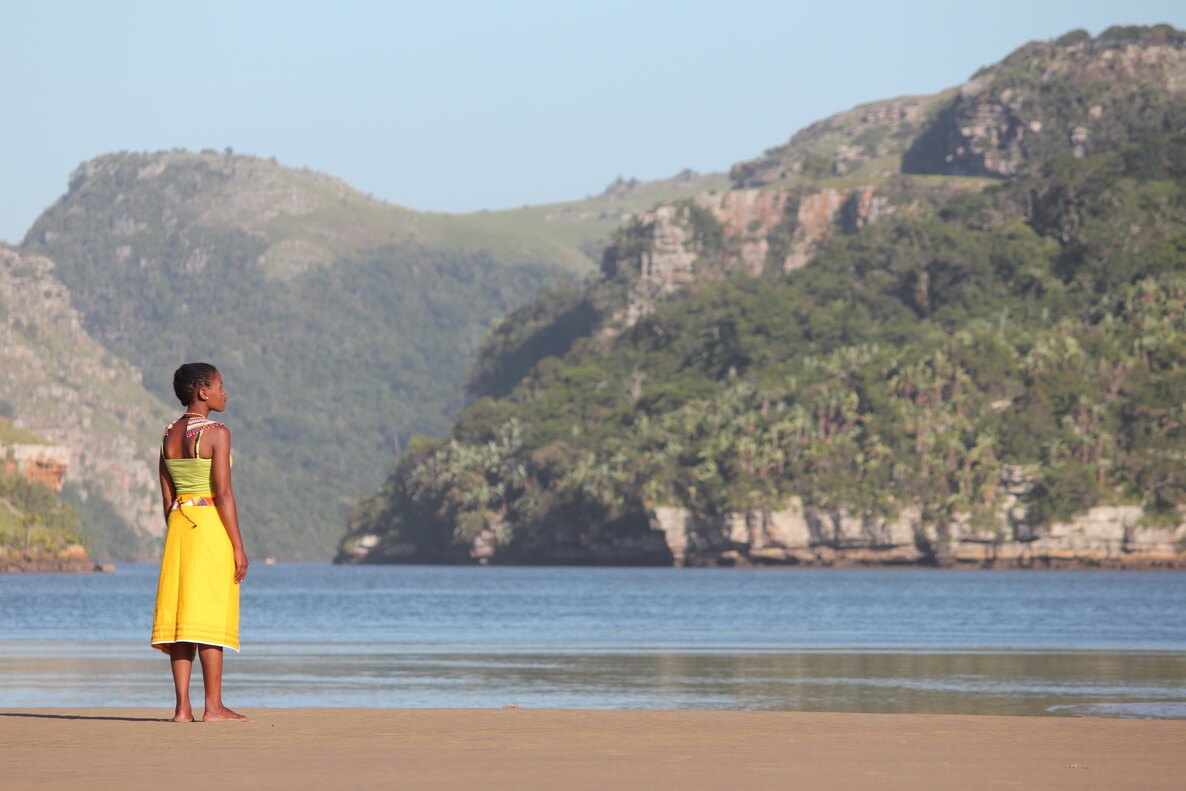
The Pondo, rooted in the rugged hills of South Africa’s Eastern Cape, trace their heritage to the powerful Mpondo Kingdom established in the 1700s. With a deep relationship to the land and coastline, they have long practiced subsistence farming, fishing, and indigenous medicine. Their customs, from initiation rites to oral storytelling, continue to sustain a cultural identity anchored in communal life, ancestral reverence, and environmental guardianship.
For generations, the Pondo have faced systemic marginalization through colonial and apartheid-era policies that dispossessed communities and undermined traditional leadership. In recent years, they’ve stood against extractive industries—most notably opposing titanium mining in the ecologically sensitive Wild Coast region. These projects, often approved without consent, threaten biodiversity, spiritual sites, and the very fabric of their traditional livelihoods.
What sets the Pondo apart is their unwavering defense of land and tradition in the face of powerful corporate interests. Grassroots leaders, many of them women, have risen to international prominence for halting multi-billion-dollar mining projects through legal action and community mobilization. Their commitment to safeguarding the Wild Coast has become a global symbol of Indigenous-led environmental justice, inspiring movements far beyond South Africa’s borders.