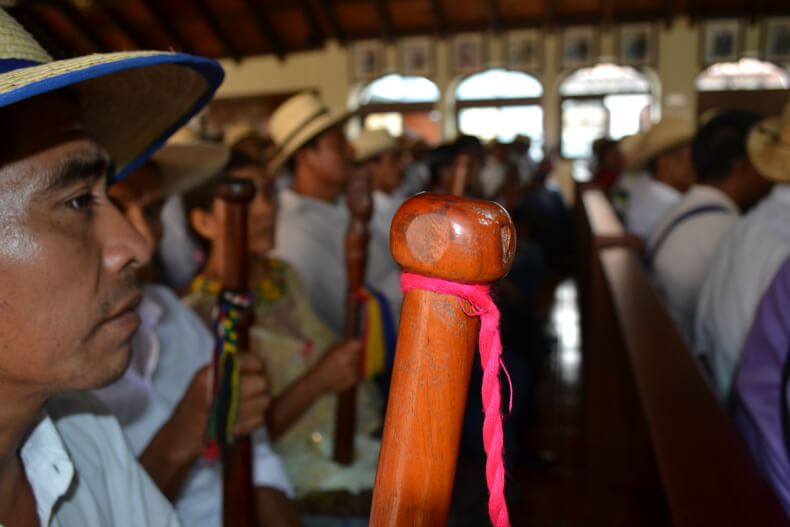
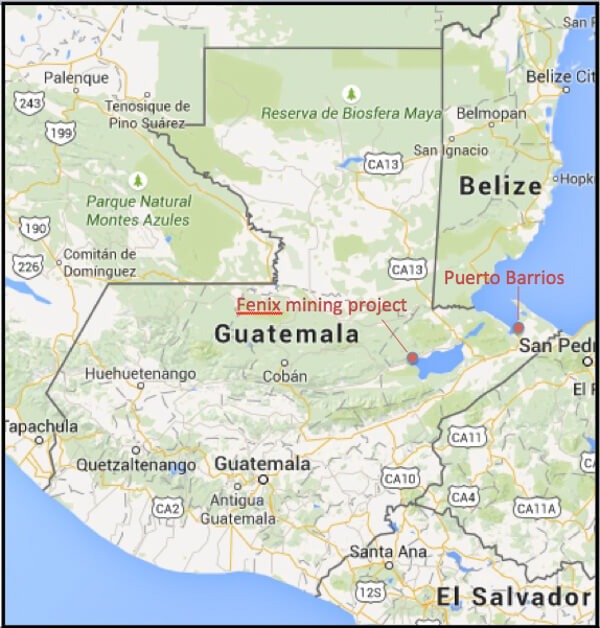
The Q’eqchi’ are an Indigenous Maya community rooted in the lush highlands and lowland rainforests of Guatemala and parts of Belize. With a language that has endured centuries of colonial disruption, Q’eqchi’ identity remains closely tied to the land, agricultural cycles, and spiritual cosmology. Traditional governance structures and communal land stewardship reflect deep ecological knowledge, especially regarding forest cultivation, medicinal plants, and sustainable farming techniques passed through generations.
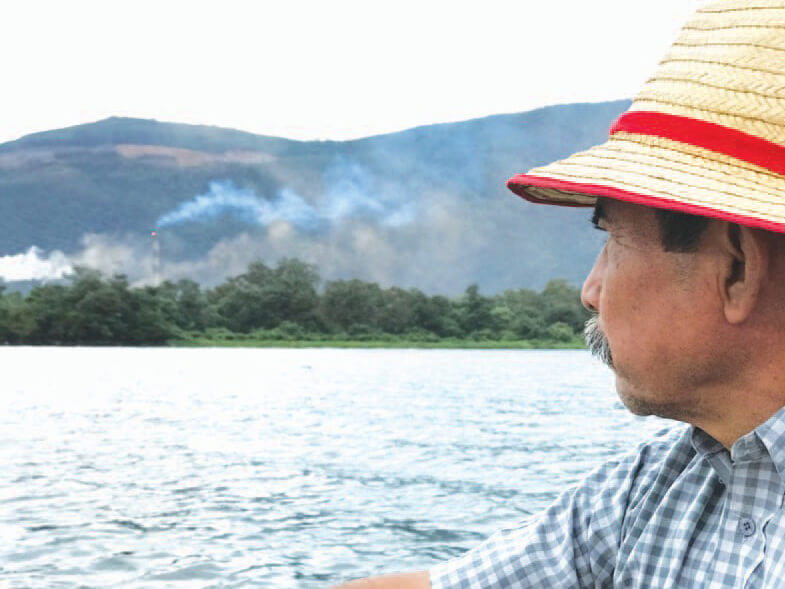
Q’eqchi’ territories face serious threats from mining, palm oil plantations, hydroelectric dams, and logging operations. Often imposed without free, prior, and informed consent, these projects have led to displacement, environmental degradation, and social conflict. Legal systems frequently fail to recognize ancestral land rights, leaving many Q’eqchi’ communities vulnerable to violence, forced evictions, and loss of cultural heritage. The criminalization of land defenders further complicates efforts to resist extractive industries.
Amid these challenges, the Q’eqchi’ continue to inspire through grassroots resistance and cultural renewal. Women in particular are leading land defense movements and revitalizing traditional practices in education and food sovereignty. Community radio stations, Indigenous schools, and legal advocacy initiatives are building momentum for justice and cultural preservation. The Q’eqchi’ model of collective strength, rooted in ancestral wisdom and modern advocacy, stands as a powerful beacon for Indigenous resistance and renewal across Central America.