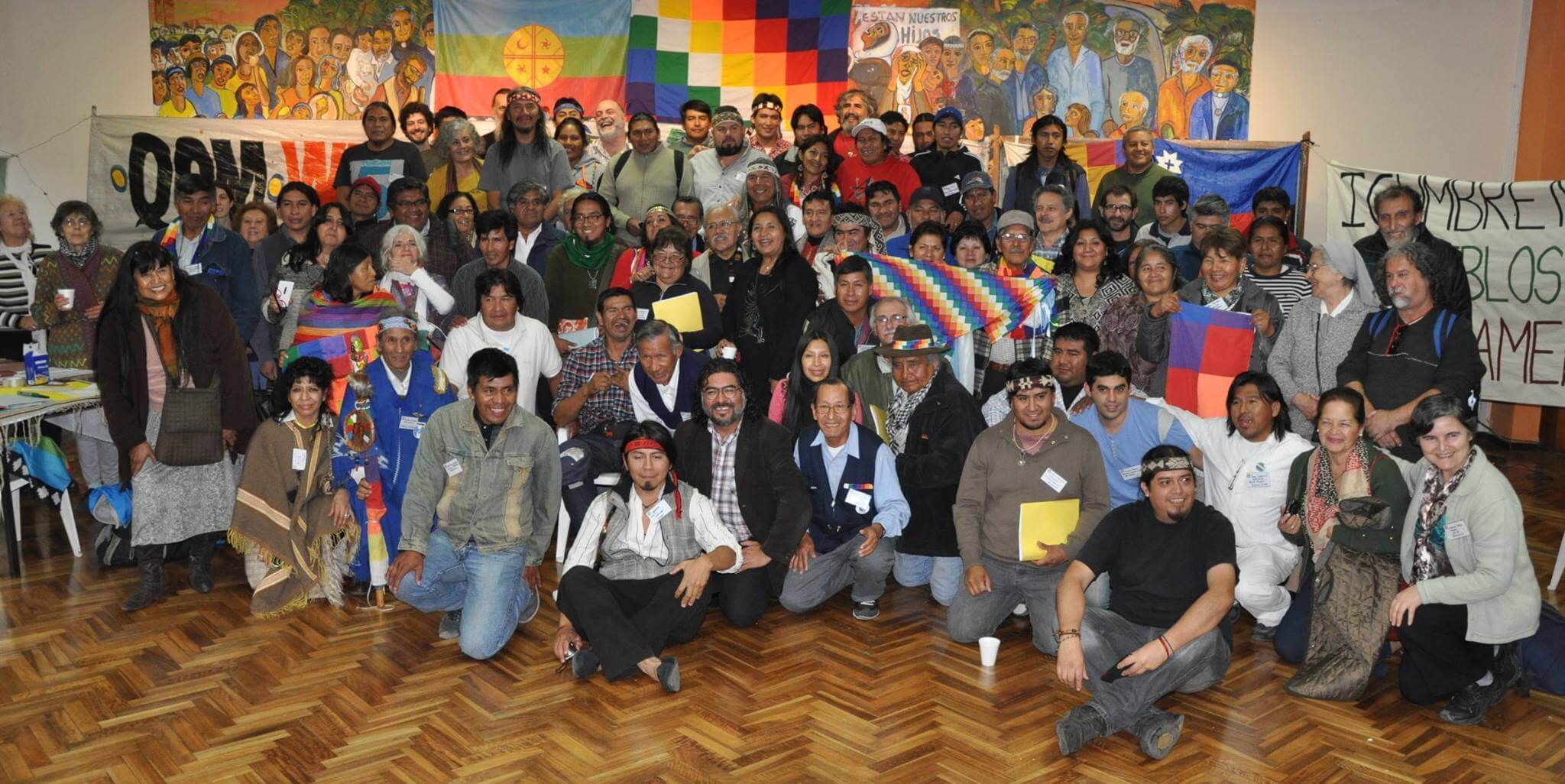
The Qom, also known as the Toba, are an Indigenous nation rooted in the Gran Chaco region, spanning parts of Argentina, Paraguay, and Bolivia. Traditionally semi-nomadic, they have maintained a deep connection to the land through hunting, fishing, and subsistence farming. The Qom language, part of the Guaicuruan family, remains central to their identity, despite efforts over generations to suppress its use. Today, many Qom communities live in both rural territories and urban peripheries, carrying forward cultural expressions such as basket weaving, body painting, and spiritual ceremonies.
The Qom face ongoing challenges related to land rights, systemic poverty, and institutional neglect. Historical displacement from ancestral lands continues to affect access to resources, healthcare, and education. In Argentina, Qom leaders have led numerous protests against encroachment by agribusiness, deforestation, and violent evictions. These pressures are exacerbated by limited political representation and discrimination in urban settings, where many Qom families have migrated in search of work, often under exploitative conditions.
What stands out about the Qom is their powerful resilience and growing political consciousness. Leaders like Félix Díaz have brought international attention to their rights, advocating for land restitution and autonomy. Grassroots movements led by Qom voices have spurred legislative reforms, cultural revitalization, and solidarity across Indigenous nations. Whether through art, protest, or education, the Qom continue to assert sovereignty over their future—building strength from tradition in the face of adversity.