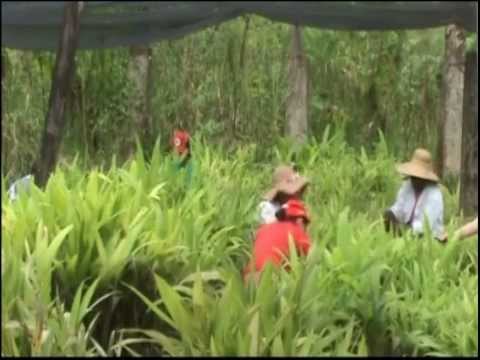
The Quilombola are descendants of Africans who escaped enslavement and established independent settlements in Brazil, known as quilombos. These communities have existed for centuries, preserving distinct cultural traditions, spiritual practices, and communal land structures. Many quilombos are located in remote regions, where collective identity, oral history, and Afro-Brazilian resistance continue to thrive. Their existence is a powerful reminder of the enduring legacy of resistance to colonial oppression and systemic racism in Latin America.
Despite constitutional protections, Quilombola territories are frequently threatened by illegal land seizures, agribusiness expansion, mining, and infrastructural development. Bureaucratic delays in land titling processes leave many vulnerable to displacement and environmental degradation. In addition to land insecurity, limited access to healthcare, education, and political representation compounds socio-economic marginalization. These injustices highlight the persistent inequalities that trace back to Brazil’s colonial and slaveholding past.
Quilombola communities have become symbols of cultural resilience and environmental guardianship. Their traditional ecological knowledge supports sustainable agriculture, forest preservation, and biodiversity conservation—offering a model of coexistence with nature. Through art, music, storytelling, and activism, they assert their identity and inspire global movements for racial justice, land sovereignty, and cultural dignity. Their continued fight for rights and recognition is a testament to the strength of collective memory and self-determination.