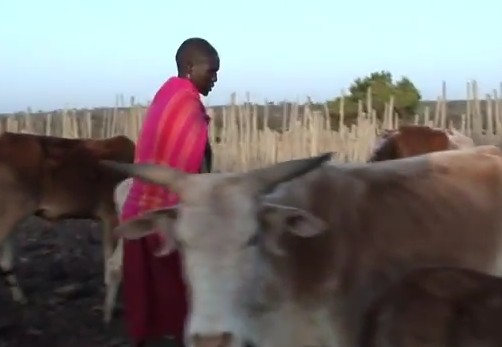
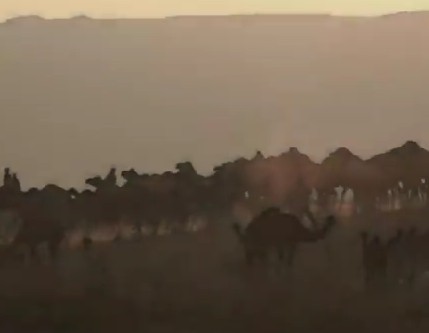
The Raika are a traditionally nomadic community from Rajasthan, India, known for their deep connection to camel herding and desert ecology. Their origins are rooted in oral legends and spiritual traditions, with a sacred bond to the animals they care for. As custodians of camel breeding knowledge, the Raika have played a vital role in maintaining biodiversity and sustaining desert livelihoods for generations through migratory herding practices adapted to arid landscapes.
Rapid modernization, land privatization, and shrinking grazing routes have severely impacted Raika pastoralism. Declining demand for camels, urban expansion, and restrictive forest policies have made traditional herding unsustainable. These pressures, combined with limited state support and exclusion from policy-making, have eroded economic stability and disrupted ancestral ways of life. Young generations are increasingly forced to abandon pastoralism in search of alternative income, threatening cultural continuity.
In response to these challenges, the Raika are embracing creative solutions to sustain their traditions. Community-led camel milk cooperatives, eco-tourism initiatives, and advocacy for Indigenous livestock knowledge have brought renewed visibility and value to their way of life. By blending traditional ecological wisdom with modern platforms, they are reasserting their role as environmental stewards and cultural storytellers. The Raika’s resilience and adaptability offer an inspiring model of cultural survival in a rapidly changing world.