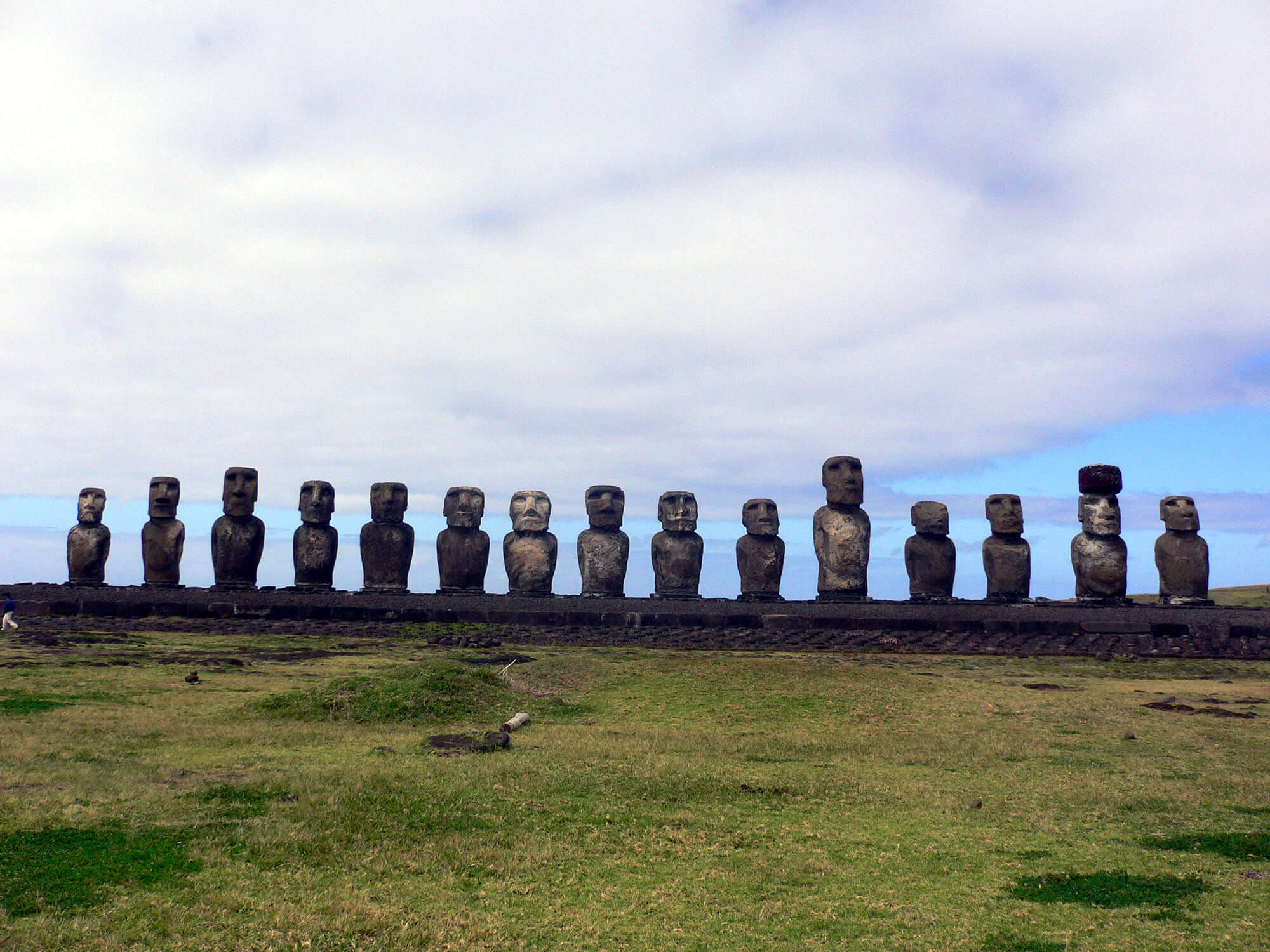
The Rapanui are the Indigenous community of Rapa Nui, also known as Easter Island, a remote territory of Chile in the southeastern Pacific Ocean. Descended from skilled Polynesian voyagers, the Rapanui developed a unique culture defined by monumental moai statues, a complex writing system known as Rongorongo, and a deep spiritual relationship with land and ancestry. Their isolation fostered a civilization renowned for its ingenuity, resilience, and maritime legacy.
The Rapanui face mounting challenges from mass tourism, environmental strain, and political tensions with the Chilean state. Limited control over land and natural resources has fueled longstanding disputes, while cultural commodification and inadequate infrastructure have placed pressure on sacred sites and community wellbeing. Language loss and generational shifts further endanger the continuity of ancestral knowledge, raising concerns about cultural preservation and sovereignty.
In recent years, the Rapanui have intensified efforts to reclaim land, revitalize language, and strengthen autonomy. Local leaders have established educational programs rooted in Rapanui heritage, while also asserting greater control over tourism and resource management. Traditional ceremonies, navigation practices, and artistic expressions are being reclaimed as acts of resilience and pride. Their unwavering commitment to protecting heritage and asserting rights offers a powerful model of cultural resurgence and self-determination in the face of modern pressures.