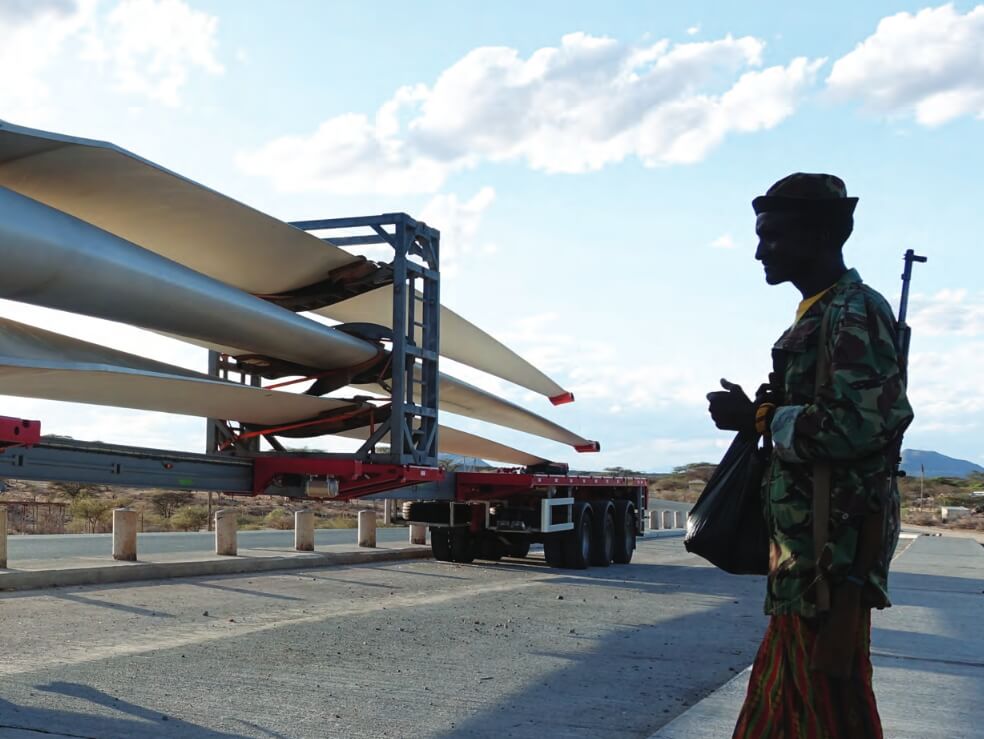
The Rendille are a Cushitic-speaking community native to the arid northern regions of Kenya, particularly around the Kaisut Desert and Marsabit County. Traditionally semi-nomadic, the Rendille maintain a livelihood centered on camel herding, which plays a vital role in their economy, spiritual life, and cultural identity. Their social systems, oral traditions, and intricate rituals reflect a deep adaptation to and respect for one of the most challenging environments in East Africa.
Rendille communities face growing threats from prolonged droughts, desertification, and dwindling access to grazing lands. Climate change has destabilized traditional herding cycles, forcing painful shifts in livelihood patterns. In addition to environmental hardship, they experience political marginalization, limited infrastructure, and frequent resource-based conflicts with neighboring communities. Inadequate state support further compounds vulnerability, leaving basic needs like education, water, and healthcare unmet in many areas.
Amid adversity, the Rendille continue to uphold ancestral customs and adaptive strategies that embody resilience and sustainability. Their deep knowledge of arid land survival, herd management, and communal resource sharing serves as a model for climate adaptation. Grassroots efforts to improve education access, especially for girls, and to revive indigenous languages are gaining ground. The Rendille’s ability to navigate extreme conditions while preserving identity and dignity stands as a powerful testament to human adaptability and cultural strength.