The Salish are Indigenous nations of the Pacific Northwest, extending from British Columbia through Washington, Oregon, Idaho, and Montana. Known for complex social structures, deep spiritual ties to land and water, and diverse dialects within the Salishan language family, they have long practiced fishing, weaving, and cedar craftsmanship. Salmon holds sacred significance, while oral traditions and storytelling remain central to intergenerational knowledge and ceremonial life.
Salish communities continue to face the enduring impacts of colonization, including land dispossession, residential schooling, and forced assimilation. Many ancestral territories were fragmented or appropriated, and sacred ecological systems—such as salmon-bearing rivers—have been disrupted by dams, pollution, and climate change. Language loss remains a major concern, as fewer fluent speakers remain to pass on Indigenous knowledge embedded in original tongues. Economic inequities and healthcare disparities also persist across many reservations.
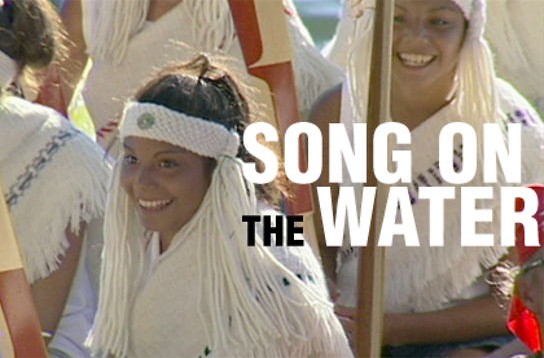
Despite adversity, Salish nations are leading powerful initiatives in cultural and ecological restoration. Language immersion schools, canoe journeys, and intertribal gatherings have revitalized traditions and strengthened identity. Salmon restoration projects—often led by tribal fisheries experts—reflect a deep commitment to environmental justice rooted in ancestral responsibility. Through activism, education, and art, Salish voices continue to assert sovereignty and inspire broader movements for Indigenous rights and planetary care.