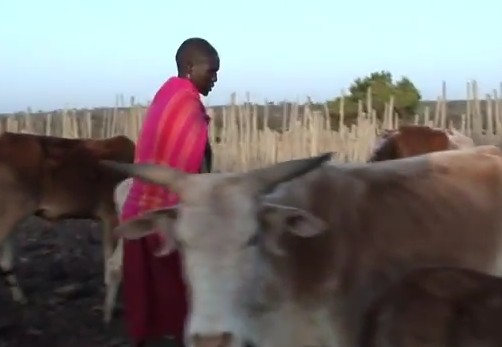
The Samburu are a semi-nomadic Indigenous community residing primarily in northern Kenya, particularly within Samburu County. Closely related to the Maasai in language and customs, the Samburu maintain a traditional lifestyle centered around cattle herding, which serves as both a cultural symbol and economic foundation. Rituals, age-set social structures, and vibrant dress are core aspects of Samburu identity, passed down through oral traditions and ceremonial practice.
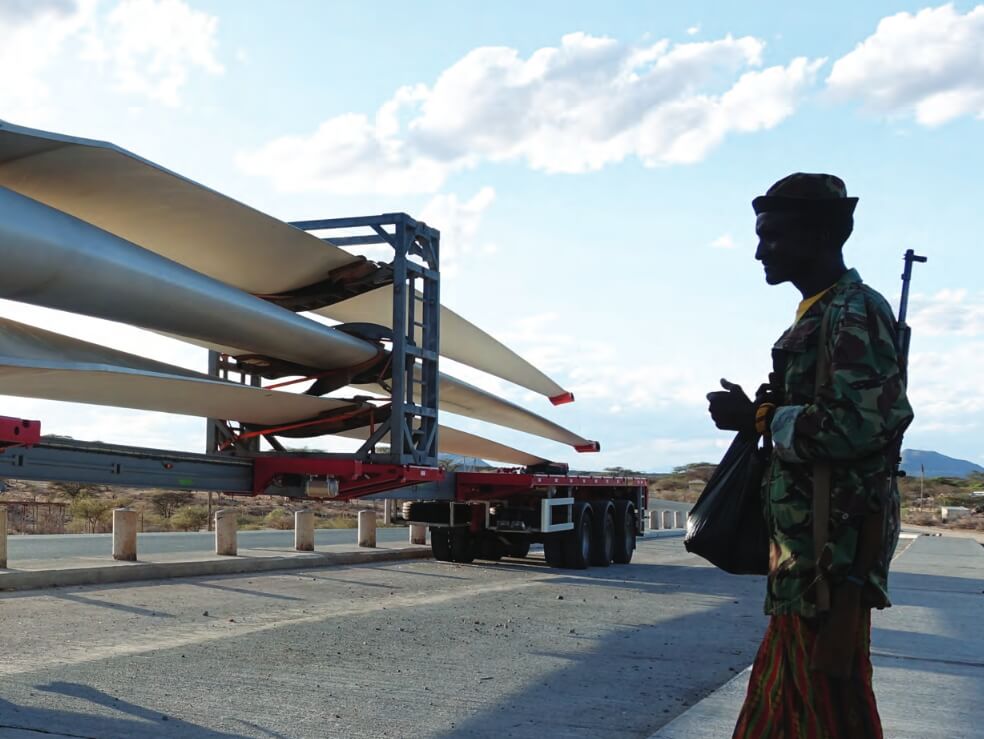
The Samburu face mounting challenges stemming from land dispossession, political marginalization, and ecological volatility. Expansion of conservation areas, tourism developments, and state-led infrastructure projects have reduced access to grazing lands, often without meaningful consultation. Meanwhile, prolonged droughts and climate change increasingly threaten livestock health and food security. Limited access to healthcare and education in remote territories further compounds inequality and disrupts intergenerational continuity.
Inspiring strides have been made by Samburu women and youth who are reclaiming roles in leadership, education, and cultural preservation. Initiatives to end harmful practices like female genital cutting have gained momentum within the community, driven by local advocacy and education. Samburu elders and cultural custodians continue to share ecological knowledge and traditions through storytelling, music, and community-based education. Their ongoing resilience and cultural pride offer powerful testimony to the strength of ancestral wisdom in a changing world.