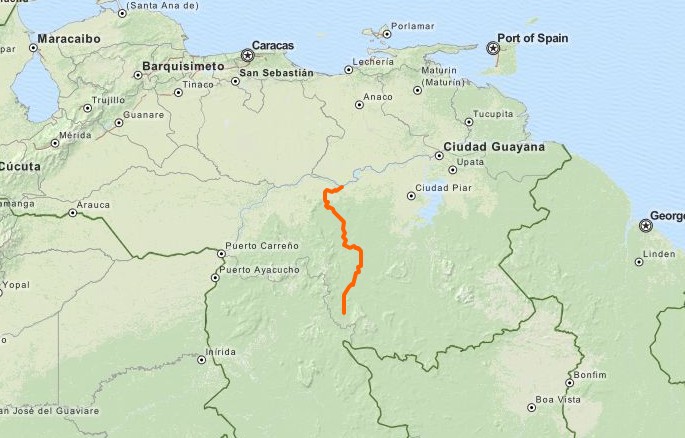
The Sanema, also known as Sanumá, are an Indigenous community residing in the dense rainforests of southern Venezuela and northern Brazil, particularly along the Caura and Ventuari River basins. Closely related to the Yanomami, they speak a Yanomaman language and maintain a deep connection to their ancestral lands. Their culture is rich with oral traditions, spiritual practices, and a profound understanding of the rainforest ecosystem, which they have preserved through generations.
The Sanema face significant challenges due to illegal mining activities encroaching upon their territories. These operations, often involving armed groups, lead to deforestation, water pollution, and the spread of diseases like malaria, severely impacting their health and environment. Additionally, the influx of external influences and the Venezuelan economic crisis have disrupted their traditional lifestyles, leading to cultural erosion and displacement.
Despite these adversities, the Sanema demonstrate remarkable resilience by actively preserving their cultural heritage and advocating for their rights. They engage in initiatives to protect their land, maintain traditional practices, and educate younger generations about their ancestral knowledge. Their efforts not only safeguard their own community but also contribute to the broader movement for Indigenous rights and environmental conservation in the Amazon region.