The Santal are one of the largest Indigenous communities in India, primarily inhabiting the states of Jharkhand, West Bengal, Odisha, and Bihar, with extensions into Bangladesh and Nepal. Known for their rich oral traditions, unique language (Santali), and vibrant music and dance, the Santal maintain a strong connection to nature and ancestral customs. Their social structure emphasizes community solidarity, matrilineal influence in ritual life, and a harmonious relationship with the land.
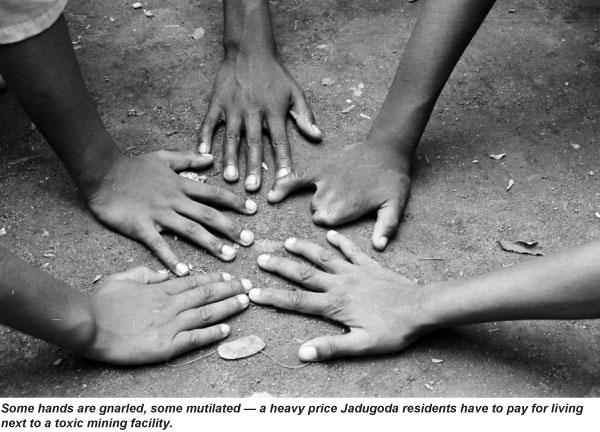
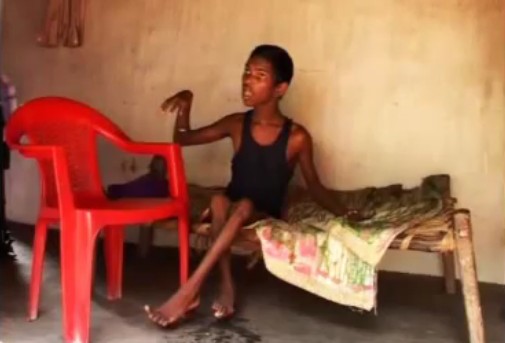
The Santal face significant challenges including land alienation, systemic poverty, and lack of access to quality education and healthcare. Industrial projects, mining operations, and deforestation have led to widespread displacement from ancestral lands. Despite constitutional protections, many Santal remain marginalized in political and economic systems, often subjected to exploitation and social discrimination. Linguistic and cultural assimilation pressures also pose a threat to the continuity of their traditional identity.
Inspiring resilience defines the Santal journey. Grassroots efforts in education, cultural preservation, and Indigenous land rights have gained momentum across generations. Their role in historic uprisings, such as the Santal rebellion of 1855, continues to fuel pride and inspire new activism. Today, Santal literature, art, and language preservation efforts are increasingly recognized, and youth-led initiatives are reclaiming space in academia and policy. Their determination to uphold cultural heritage while pursuing justice offers a powerful vision of resistance and renewal.