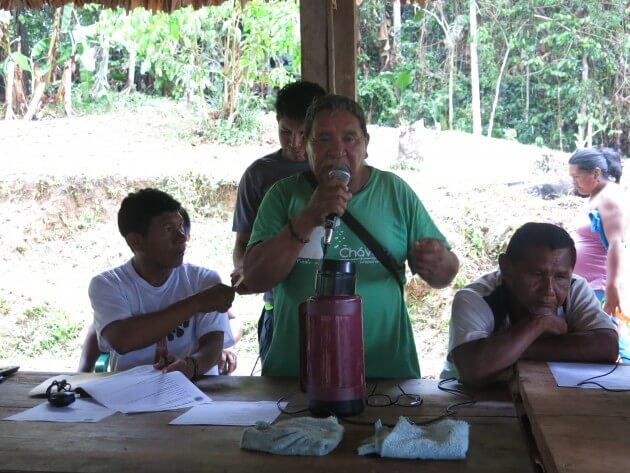
The Sanumá, also known as Sanema, are an Indigenous community residing in the tropical rainforests of southern Venezuela and northern Brazil. They belong to the larger Yanomami ethnolinguistic family and speak a dialect of the Yanomaman language. Traditionally semi-nomadic, the Sanumá rely on hunting, fishing, and horticulture, while their cultural practices are deeply entwined with the rhythms of the forest. Rituals, myths, and oral storytelling play a vital role in preserving their spiritual and ecological knowledge.
The Sanumá face increasing threats from illegal gold mining, which has brought mercury contamination, deforestation, and disease to their lands. These extractive activities, often carried out by armed groups, destabilize their environment and compromise traditional food sources. Furthermore, limited access to healthcare, coupled with external pressures from the economic crisis in Venezuela and inadequate legal protections, has left the Sanumá vulnerable to displacement and cultural disruption.
Amid escalating threats, the Sanumá remain resilient in their commitment to preserving their identity and safeguarding the rainforest. Community leaders and elders continue to pass down traditional ecological knowledge and resist external encroachments through grassroots advocacy. Their enduring relationship with the land and their role as stewards of vital ecosystems reflect a powerful example of Indigenous resistance and cultural continuity in one of the planet’s most biodiverse regions.