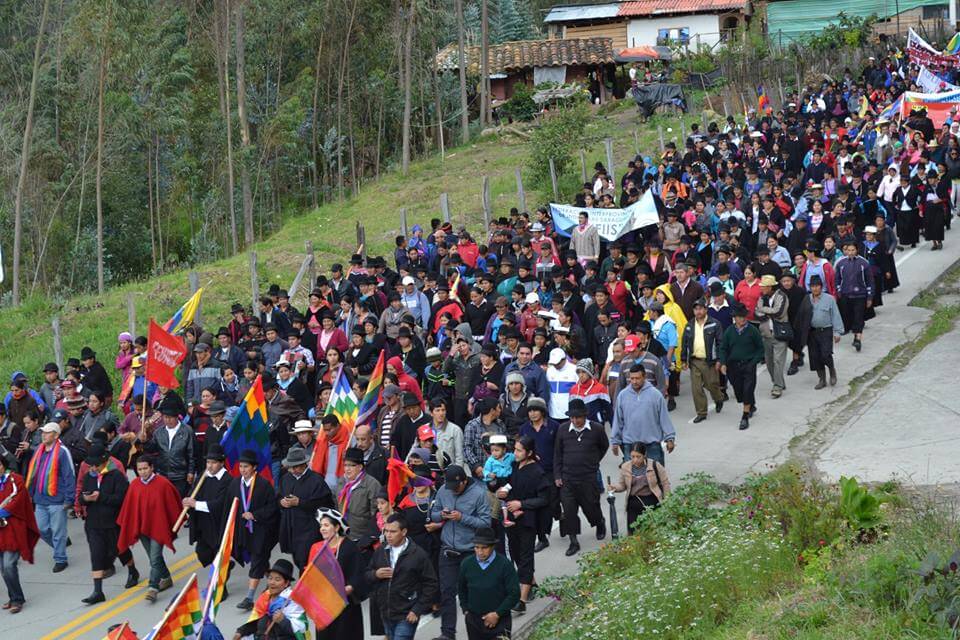
The Saraguro are an Indigenous community located in the southern highlands of Ecuador, primarily in the Loja and Zamora-Chinchipe provinces. With roots tracing back to the Inca Empire, the Saraguro are known for their distinct black-and-white traditional clothing, symbolic jewelry, and deep commitment to Andean cosmology. Their ancestral knowledge, agricultural practices, and social organization reflect a sophisticated cultural continuity grounded in reciprocity, collective labor, and respect for Pachamama, or Mother Earth.
The Saraguro have historically faced challenges tied to land dispossession, marginalization, and the pressures of cultural assimilation. Education systems and national policies have often failed to reflect Indigenous perspectives, leading to a disconnect between youth and ancestral knowledge. Additionally, modernization, urban migration, and tourism have placed cultural practices at risk of commodification or loss. Despite legal recognition, access to land and political autonomy remains a contentious issue.
In recent decades, the Saraguro have become an inspiring model of cultural resurgence and Indigenous activism. Through intercultural education, community-led governance, and the revitalization of traditional medicine, they are reaffirming their identity and asserting their rights. Many Saraguro youth are reclaiming ancestral language and philosophy while pursuing academic and environmental leadership. Their resilience and commitment to balance between tradition and progress offer a compelling vision of Indigenous empowerment in the Andes.