The Secoya, also known as the Siekopai, are an Indigenous nation residing along the Napo River in northeastern Ecuador and parts of northern Peru. Their language belongs to the Western Tucanoan family, and their traditions are deeply tied to the rainforest’s ecological rhythms. Known for their rich oral histories, ceremonial practices, and sophisticated knowledge of plant medicine, the Secoya see themselves as stewards of a living forest, interwoven with spiritual and ancestral significance.
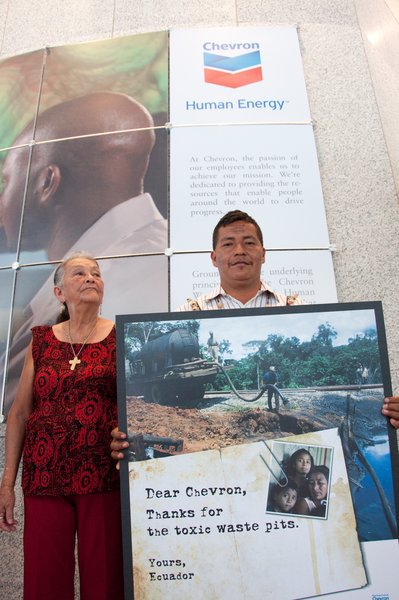
The Secoya face significant challenges from oil development, illegal logging, and contamination of waterways due to industrial encroachment. These pressures have led to habitat degradation, health risks, and disruptions to traditional subsistence practices. Additionally, shifts in climate patterns and reduced territorial control have endangered their agricultural systems and medicinal knowledge. External religious and economic pressures have also posed risks to cultural transmission across generations.
In response to these threats, the Secoya have taken powerful steps to assert their autonomy and preserve their heritage. Elders and youth have collaborated on cultural revitalization projects, including language preservation, permaculture farming, and the documentation of medicinal knowledge. The community has also formed alliances with environmental organizations to defend their territories and promote sustainable development rooted in traditional wisdom. Their efforts represent a living resistance that blends ancestral resilience with contemporary environmental activism.