The Secwepemc, also known as the Shuswap, are an Indigenous nation whose ancestral territory spans a vast area of the interior plateau of British Columbia, Canada. Their connection to the land is rooted in millennia of seasonal harvesting, fishing, and storytelling traditions. The Secwepemc uphold a sophisticated governance system based on kinship networks, spiritual reciprocity with the land, and an enduring commitment to cultural teachings passed through oral history and ceremony.
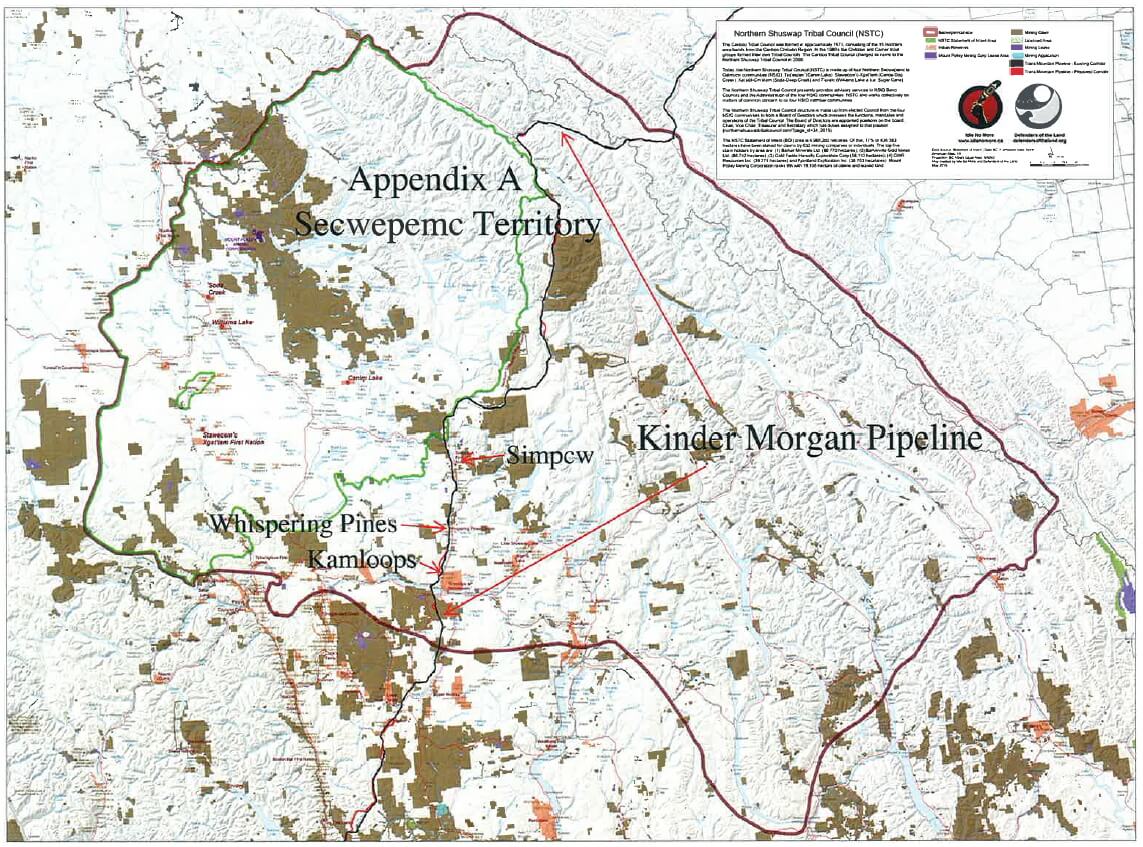
The Secwepemc have endured significant challenges stemming from colonialism, including forced displacement through the residential school system, land appropriation, and the suppression of traditional governance structures. Major infrastructure projects like pipelines and highways have been constructed without full consent, leading to legal battles and frontline resistance. These developments threaten not only the ecological integrity of their lands but also the ability to carry out cultural practices tied to sacred sites and natural resources.
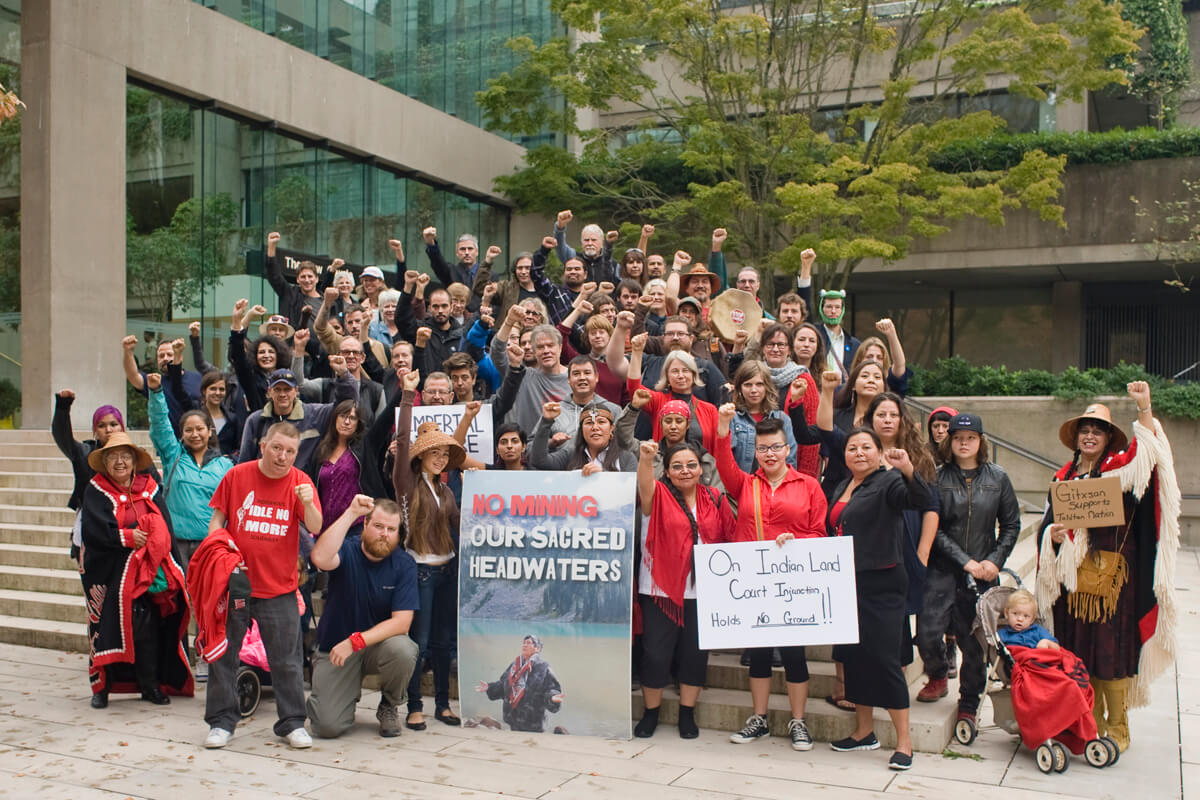
In recent decades, the Secwepemc have emerged as leaders in land defense and cultural revitalization. Women land defenders, in particular, have taken a prominent role in resisting projects such as the Trans Mountain pipeline, asserting their rights through peaceful encampments and legal action. Language revitalization programs, traditional food sovereignty initiatives, and youth education efforts continue to strengthen cultural identity. The Secwepemc’s unwavering commitment to Indigenous sovereignty and environmental stewardship has become a powerful example of resilience in action.