The Shipibo are an Indigenous nation based in the Peruvian Amazon, primarily along the Ucayali River. Known for their intricate geometric art, vibrant textiles, and deep cosmological knowledge, the Shipibo worldview interweaves spiritual practice with environmental stewardship. Their language, part of the Panoan family, carries centuries of oral tradition, healing songs, and mythological narratives passed down through generations.
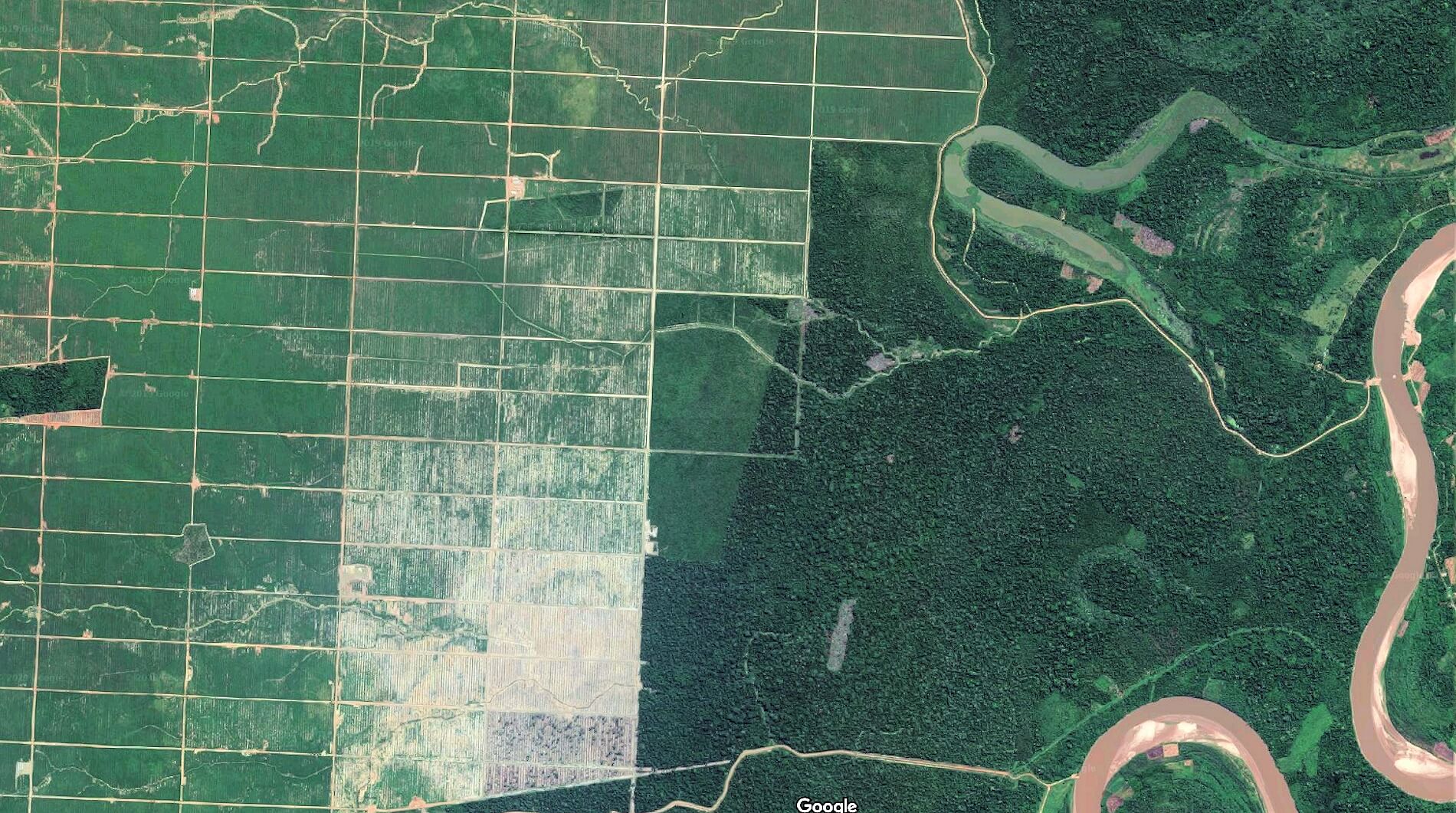
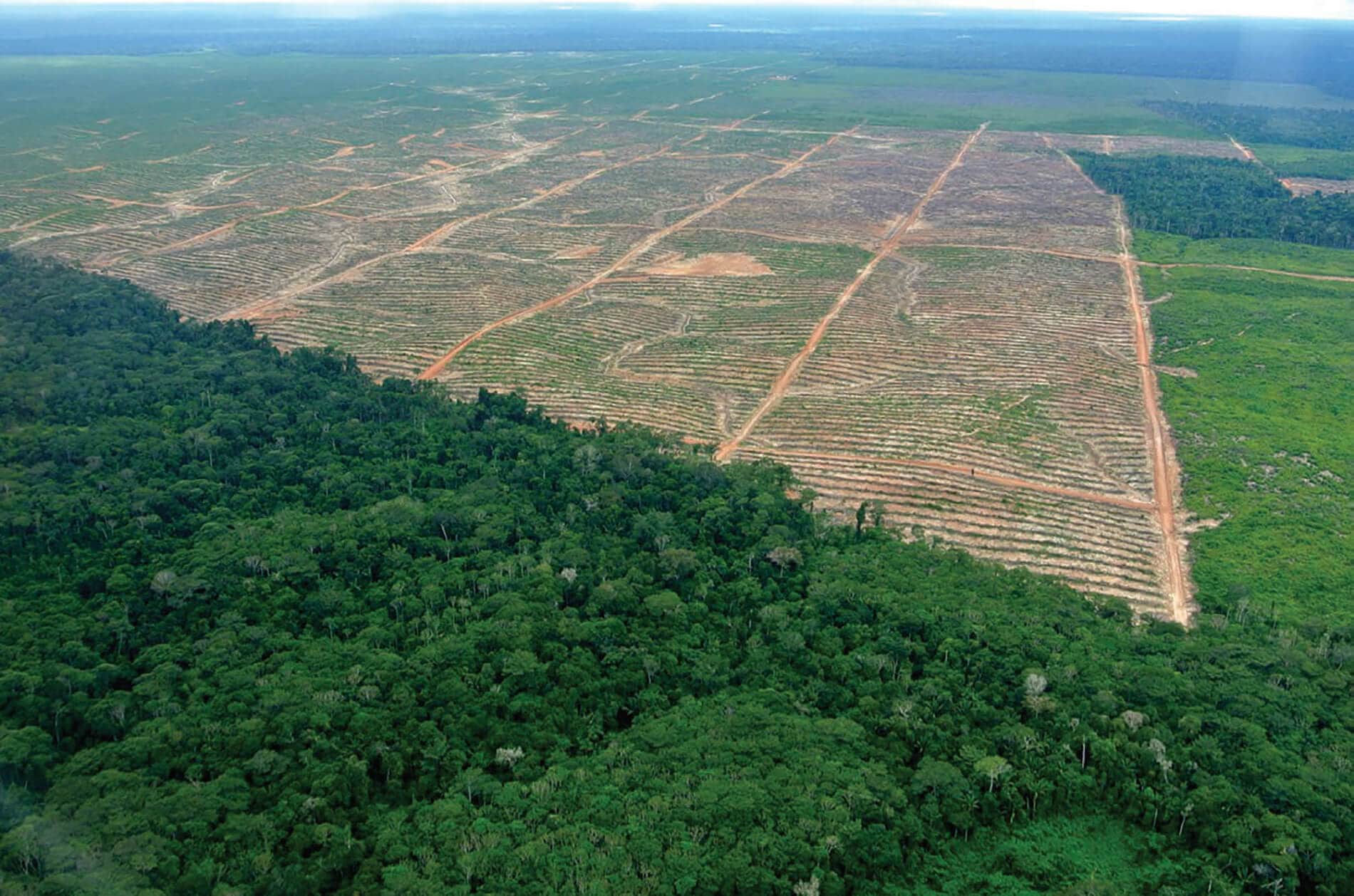
The Shipibo face ongoing threats from illegal logging, oil extraction, and land grabs that endanger both the Amazon ecosystem and their spiritual lifeways. The spread of tourism and interest in traditional plant medicine, particularly ayahuasca, has led to both economic opportunities and cultural exploitation. Additionally, climate change, inadequate healthcare, and limited access to education contribute to the challenges in preserving their traditions and self-determination.
Despite these pressures, the Shipibo are internationally recognized for their visionary art, traditional healing practices, and cultural resilience. Women artists play a central role in cultural transmission, embedding stories and cosmology into intricate handwoven patterns and embroidery. Through community-led conservation, language revitalization, and the protection of medicinal knowledge, the Shipibo continue to assert their identity and inspire movements for Indigenous sovereignty and environmental justice.