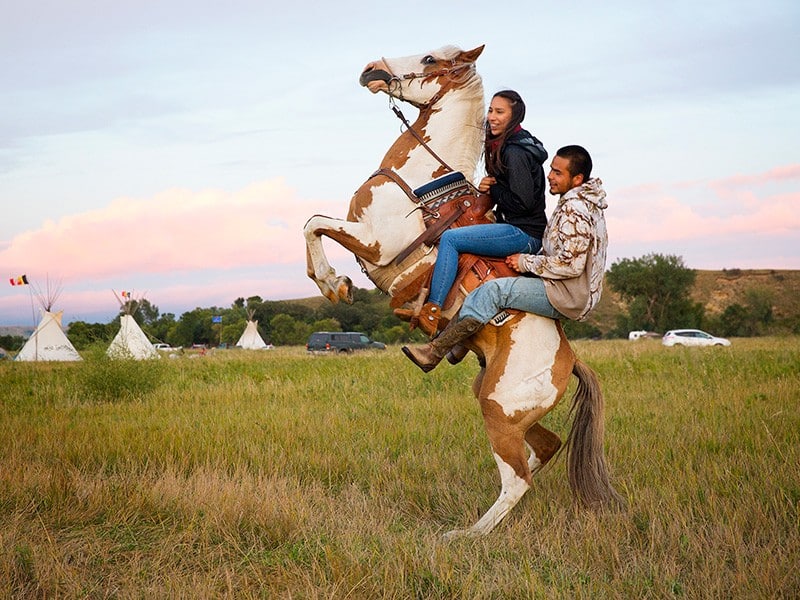
The Sioux are a confederation of culturally and linguistically linked nations, including the Dakota, Nakota, and Lakota. Traditionally residing across vast regions of the North American Great Plains, they have maintained rich oral traditions, complex social structures, and deep spiritual ties to the land. Historically known for their resistance during westward colonization, the Sioux continue to be recognized for their profound cultural identity, sovereignty movements, and artistic expression.
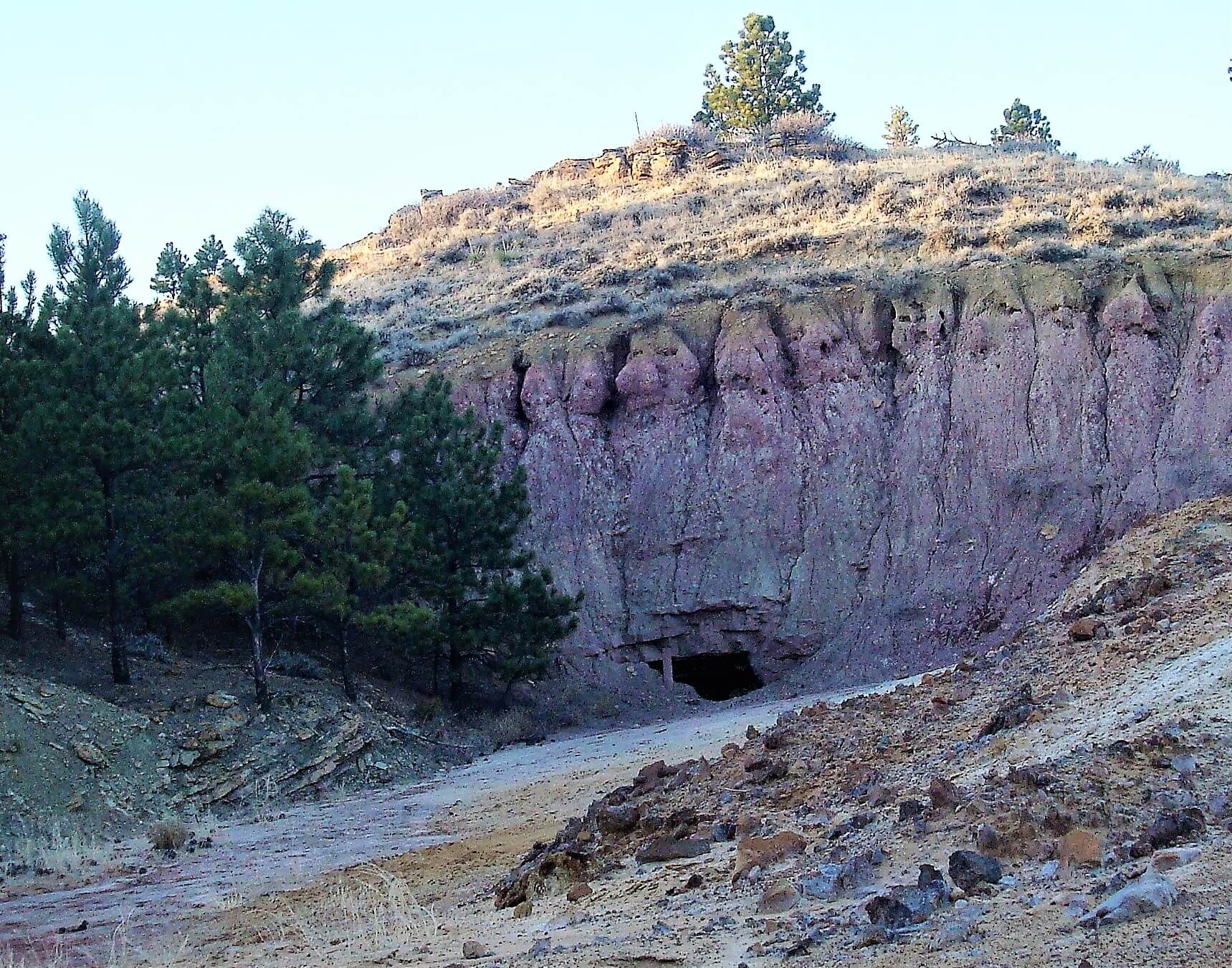
The Sioux continue to face challenges stemming from broken treaties, environmental degradation, and systemic marginalization. Disputes over sacred sites, such as the Black Hills, and resource extraction projects like the Dakota Access Pipeline have intensified their efforts to protect land and water. High rates of poverty, limited access to healthcare, and educational disparities persist across many Sioux reservations, compounding historical trauma with ongoing socioeconomic struggles.
The Sioux have inspired global attention through nonviolent resistance and environmental advocacy. The 2016 Standing Rock protests galvanized a worldwide movement defending water and Indigenous rights. Today, the revitalization of traditional languages, ceremonies, and governance systems continues to empower younger generations. Their enduring strength reflects a profound commitment to cultural continuity, environmental stewardship, and justice for future generations.