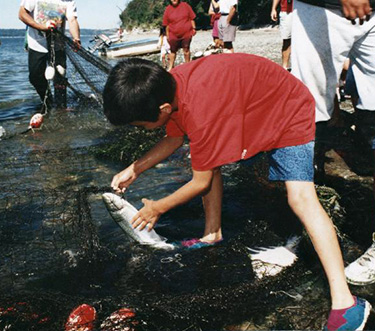
The Squamish Nation, known in their language as Skwxwú7mesh, has ancestral territories that span the Burrard Inlet, Howe Sound, and the surrounding Coast Mountains of British Columbia. With deep cultural ties to the land, sea, and rivers, the Squamish have long practiced sophisticated systems of governance, oral tradition, and sustainable harvesting. Their matrilineal lineage, longhouse ceremonies, and connection to the land remain central to their identity and way of life.
The Squamish have endured displacement due to colonial settlement, residential schools, and the development of urban Vancouver. Much of their traditional territory was taken without consent, leading to long-standing legal battles for land rights and recognition. Urban sprawl, real estate development, and environmental concerns continue to challenge their ability to maintain sovereignty and access to sacred sites. Despite these barriers, they have persisted in legal and political advocacy to reclaim their lands and assert jurisdiction.
One of the most inspiring examples of Squamish resilience is their leadership in self-determined economic development. The Sen̓áḵw housing development project, initiated on reclaimed reserve land in Vancouver, showcases their capacity to lead in urban planning, sustainability, and cultural resurgence. Through language revitalization programs, youth leadership initiatives, and environmental stewardship efforts, the Squamish Nation continues to reassert its place as a powerful and visionary presence in both Indigenous and urban futures.