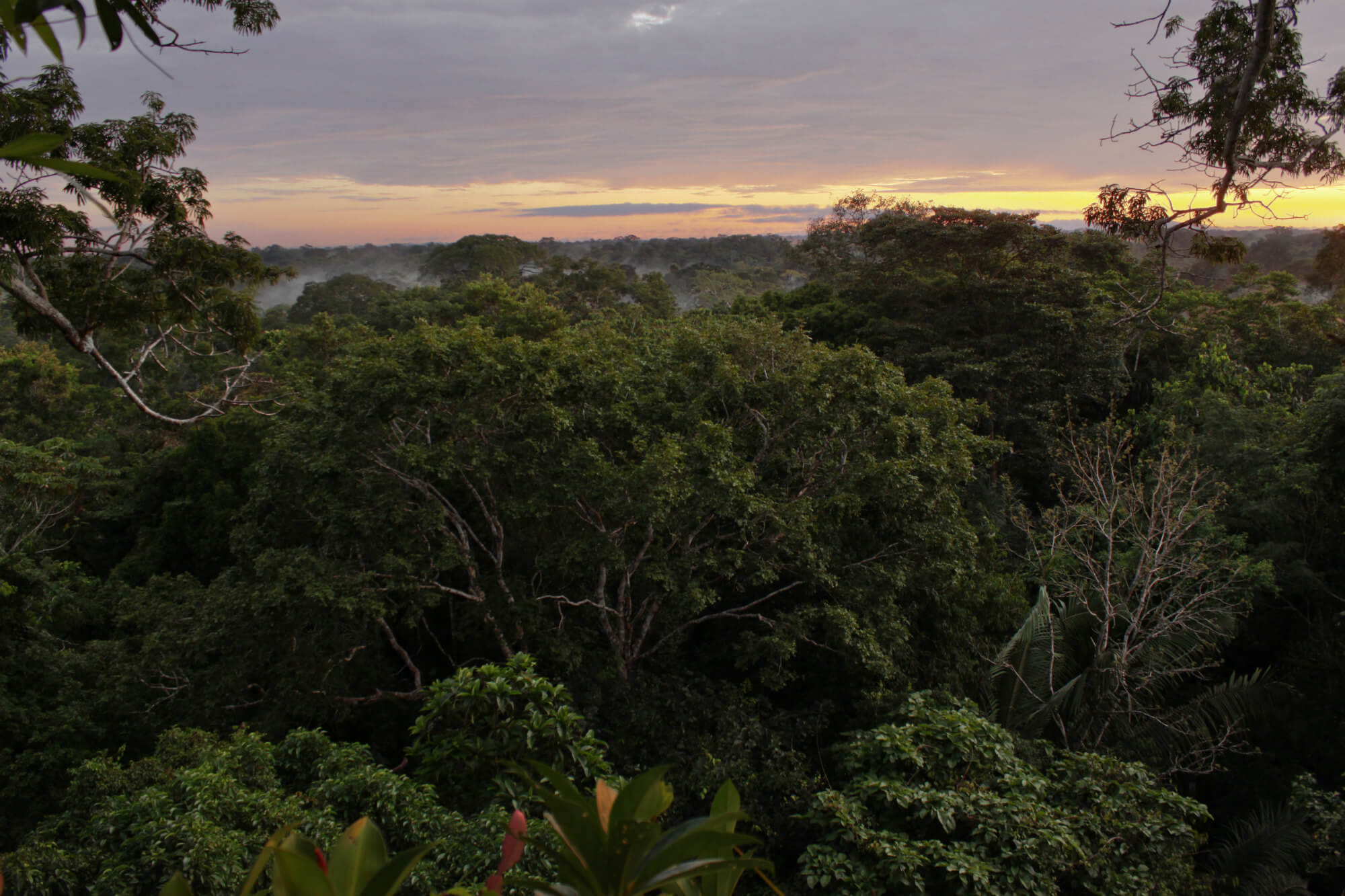
The Taromenane are one of the few remaining Indigenous communities living in voluntary isolation within the Ecuadorian Amazon, particularly in the Yasuni National Park. They maintain a nomadic lifestyle, moving through the dense rainforest and subsisting through hunting, gathering, and small-scale horticulture. Their profound knowledge of the forest ecosystem and reliance on oral tradition reflect a deep-rooted connection to their environment and ancestral heritage.
Despite legal protections, the Taromenane face increasing threats from deforestation, illegal logging, and oil exploration. These activities encroach upon their territory, often leading to deadly conflict and disease outbreaks. The Taromenane’s choice to remain isolated makes them especially vulnerable to external contact, as they lack immunity to common illnesses and have little recourse against resource extraction projects that threaten their existence and autonomy.
What is truly inspiring about the Taromenane is their unwavering commitment to cultural preservation and self-determination. Despite mounting external pressures, they have successfully resisted assimilation and continue to thrive in a manner that protects biodiversity and resists environmental degradation. Their way of life challenges dominant models of development and serves as a living testimony to the value of Indigenous knowledge in protecting some of the most biologically rich areas on the planet.