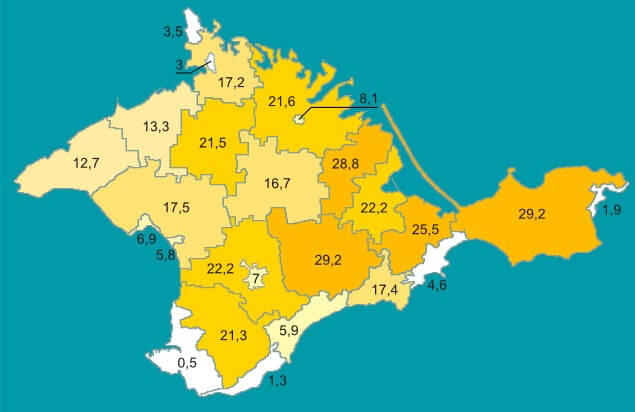
Tatars are an Indigenous community with deep historical roots stretching across Eastern Europe and Central Asia. Historically linked to the Mongol Empire and later the Golden Horde, they have established distinct cultural centers, particularly in Tatarstan, a republic within the Russian Federation. Their heritage includes the Tatar language (a Turkic tongue), Islamic traditions, and a fusion of steppe, Slavic, and Turkic influences. With a population numbering in the millions, they remain one of the most influential Indigenous identities in the Eurasian region.
The Tatars face persistent challenges in preserving their language and cultural identity amid pressures from dominant national narratives and centralized governance. Policies limiting education in non-Russian languages have led to a sharp decline in Tatar language use among youth. Additionally, historical marginalization—including deportations and cultural suppression during the Soviet era—has left a lasting impact on their self-determination and access to traditional lands and institutions.
In the face of these challenges, the Tatar community is experiencing a vibrant cultural revival. Through grassroots movements, academic institutions, and digital platforms, Tatar youth are reconnecting with their linguistic roots and reclaiming cultural spaces. The rise of Tatar-language music, literature, and educational initiatives reflects a resilient spirit determined to ensure their legacy continues to thrive. This revival is a powerful testament to the strength of cultural continuity and Indigenous resurgence across Eurasia.