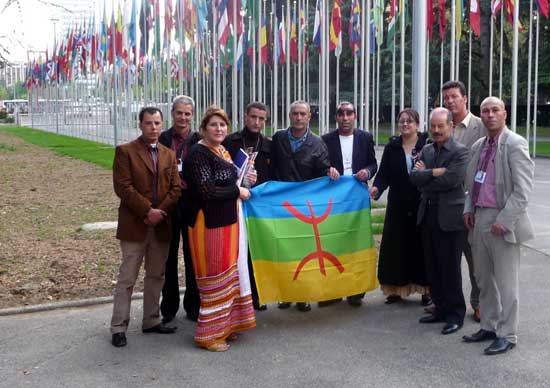
The Tuareg are a semi-nomadic society inhabiting vast stretches of the Sahara Desert across countries such as Mali, Niger, Algeria, Libya, and Burkina Faso. Known for their striking indigo garments and face veils worn by men, they are part of the larger Amazigh (Berber) cultural sphere. For centuries, Tuareg communities have managed intricate trade networks, guiding camel caravans across some of the world’s harshest terrain. Their rich oral tradition, poetry, and Tifinagh script reflect a deep intellectual and spiritual heritage tied to the desert landscape.
Modern challenges facing the Tuareg are complex and multi-layered. Armed conflicts, particularly in Mali and Niger, have led to widespread displacement, insecurity, and loss of ancestral lands. Marginalization within national governments and limited access to resources exacerbate economic hardship and restrict their autonomy. Climate change further disrupts pastoralist livelihoods, as desertification and water scarcity threaten traditional routes and survival strategies. These pressures put both cultural integrity and daily life at risk.
Despite adversity, the Tuareg remain a symbol of resilience and pride. Their music, especially the globally celebrated desert blues genre, shares stories of resistance, longing, and cultural survival. Many Tuareg communities are reviving traditional crafts, language education, and regional governance models to reclaim agency over their futures. Through a balance of cultural preservation and adaptation, they continue to assert their identity and inspire solidarity movements far beyond the Sahara.