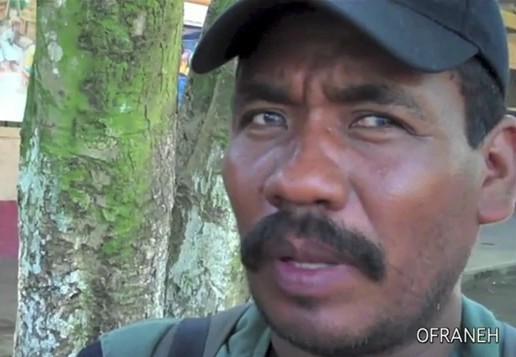
The Tawahka reside in the dense tropical rainforests of eastern Honduras, particularly along the Patuca River within the region known as La Moskitia. With linguistic roots in the Misumalpan language family, their lifeways are deeply intertwined with the rhythms of the forest. Hunting, fishing, and shifting agriculture form the core of their subsistence, while spiritual traditions and oral narratives shape their intimate understanding of nature. Their territory lies within one of Central America’s largest biodiversity corridors, making their ecological knowledge invaluable.
Despite living in one of the most ecologically rich areas of Honduras, the Tawahka face severe threats from illegal logging, narco-trafficking routes, and land invasions. These external pressures have led to deforestation, soil degradation, and the erosion of traditional livelihoods. Their language, Tawahka, is critically endangered, spoken fluently by only a diminishing number of elders. Government neglect and lack of infrastructure further marginalize their access to healthcare, education, and legal land protections, intensifying the risk of cultural extinction.
In the face of adversity, the Tawahka are emerging as defenders of environmental and cultural resilience. Community initiatives to reforest degraded areas, document ancestral knowledge, and promote intergenerational language learning are gaining traction. Young Tawahka leaders are engaging in cross-border alliances with other Indigenous nations to amplify their voice in regional land governance. Their efforts serve as a global example of how Indigenous ecological wisdom and cultural identity can powerfully confront the climate and biodiversity crises.