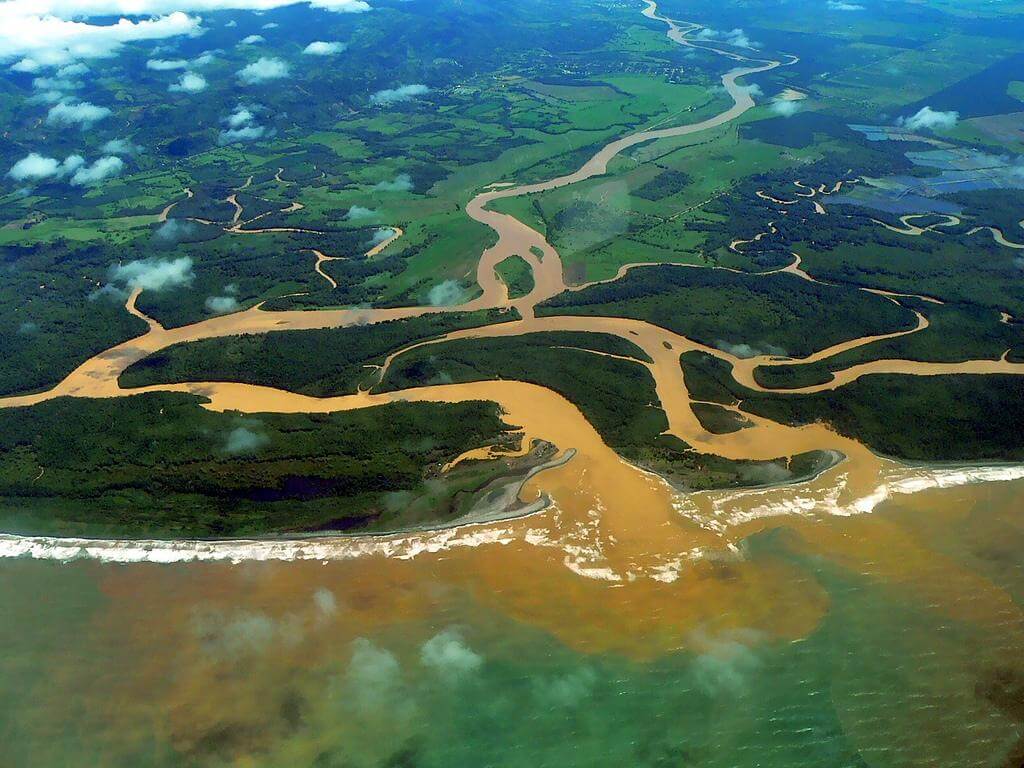
The Teribe, also known as the Naso, are Indigenous to the lush forests along the Teribe River in northwestern Panama and parts of southern Costa Rica. Their lifeways are intricately tied to the biodiversity of the Talamanca Mountains, where they practice sustainable agriculture, fishing, and herbal medicine. Known for their monarchy—one of the few remaining Indigenous hereditary leadership systems in the Americas—the Teribe maintain strong governance rooted in tradition and ecological balance.
The Teribe face ongoing threats from hydroelectric dam projects, land colonization, and a lack of formal recognition of their ancestral territories. These pressures have led to environmental degradation and disrupted traditional livelihoods, creating tension with state development agendas. The loss of native language fluency and limited access to culturally relevant education also pose serious risks to the transmission of knowledge and identity among the younger generation.
In a landmark achievement, the Teribe secured legal recognition of the Naso Tjër Di Comarca in 2020, granting them territorial autonomy and protecting their rights over thousands of hectares of rainforest. This victory followed decades of peaceful resistance and legal advocacy, marking a historic precedent in Central America. Their unwavering commitment to self-determination and environmental stewardship offers a compelling model of resilience, sovereignty, and the power of traditional leadership in the modern world.