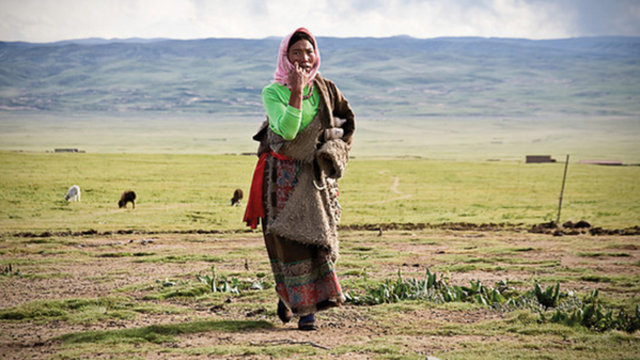
Tibetans trace their roots to the lofty expanse of the Tibetan Plateau in Central Asia, where a unique high‑altitude culture has flourished for centuries. Steeped in the traditions of Tibetan Buddhism, language and art forms shaped by the plateau’s rugged beauty give rise to a rich tapestry of festivals, music and nomadic livelihoods. From the colorful prayer flags fluttering across mountain passes to the ornate thangka paintings that adorn monasteries, every aspect of Tibetan heritage reflects an enduring bond between spirituality and the natural world. Understanding Tibetan culture means embracing a legacy of harmony with the land and a deep reverence for the cycles of nature.
Over the past several decades, Tibetans have faced intense pressure on multiple fronts, including restrictions on religious expression, displacement from ancestral grazing grounds and limitations on the use of the Tibetan language in schools and government. Rapid infrastructure development and migration policies have altered traditional livelihoods, while environmental changes—such as glacial melt and shifting precipitation patterns—add new layers of hardship to life on the plateau. Within Tibet and across the global Tibetan diaspora, efforts to preserve monastic education and oral histories compete with the realities of modernization and political tension. Despite these challenges, Tibetans continue to advocate for cultural rights and environmental stewardship in the face of adversity.
From exile communities in India and Nepal to cultural centers in Europe and North America, Tibetans demonstrate remarkable resilience through language revitalization programs, traditional arts workshops and youth leadership initiatives. Monastic scholars collaborate with international universities to digitize centuries‑old manuscripts, ensuring that sacred texts remain accessible for future generations. Environmental activists of Tibetan descent champion sustainable grazing practices and glacial research, forging partnerships to protect the plateau’s fragile ecosystems. Through non‑violent advocacy, global dialogues on human rights and the enduring message of compassion embodied by spiritual leaders, Tibetans inspire a worldwide movement for justice, cultural preservation and ecological balance.