The Tolupán Nation is one of the oldest Indigenous nations in Honduras, with ancestral territories in the Yoro and Francisco Morazán departments. Inhabiting the mountainous forests of central Honduras, the Tolupán maintain a traditional way of life rooted in subsistence farming, communal land use, and a strong spiritual relationship with nature. Their language, Tol, is part of the Hokan linguistic family and is an essential part of their cultural identity, though it faces the threat of extinction due to generational disruption and marginalization.
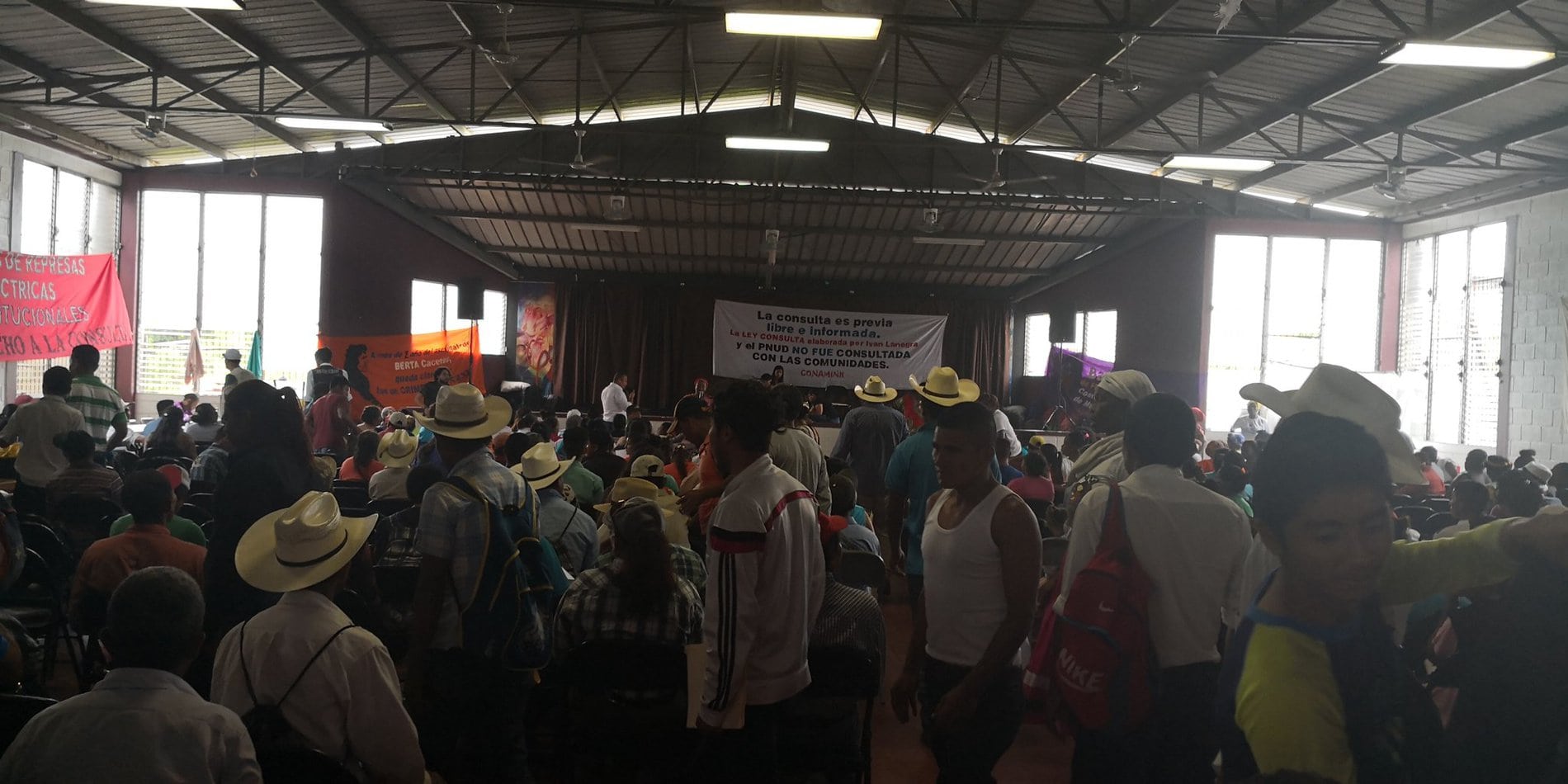
The Tolupán face severe challenges related to land dispossession, illegal logging, and extractive industries operating without consent. These threats have led to environmental degradation and the displacement of communities. In many cases, land defenders and community leaders have faced threats, intimidation, and even assassination for opposing land grabs and advocating for Indigenous rights. Inadequate access to healthcare, education, and legal protections exacerbates poverty and hinders the ability to defend territorial and cultural sovereignty.
What is profoundly inspiring about the Tolupán Nation is its unwavering commitment to protecting ancestral lands and asserting Indigenous rights, often at great personal risk. Grassroots movements led by Tolupán elders, women, and youth have brought international attention to environmental justice and human rights abuses in Honduras. Through acts of peaceful resistance, legal advocacy, and cultural preservation, the Tolupán continue to fight for a future rooted in dignity, autonomy, and connection to the land. Their courage stands as a beacon of resilience in the face of ongoing adversity.