The Toromona are an uncontacted Indigenous nation living in voluntary isolation within the dense rainforests of Bolivia’s Madidi National Park. Located in the Amazon basin near the border with Peru, their presence is known through indirect evidence and accounts from nearby Indigenous nations. The Toromona are believed to follow a traditional nomadic lifestyle, relying on the forest for food, shelter, and medicine, and choosing isolation as a means of survival and cultural preservation in the face of historical violence and disruption.
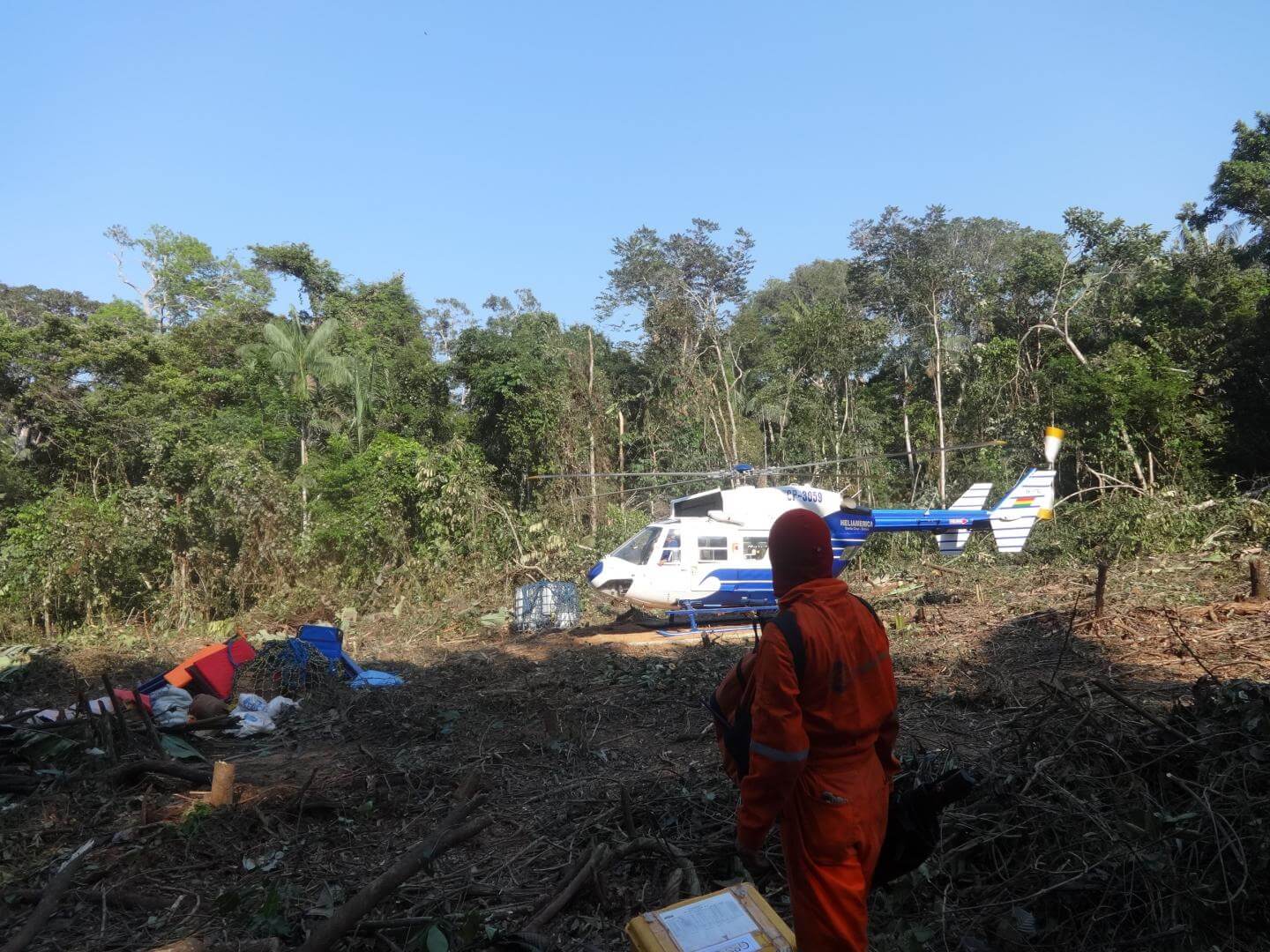
The greatest threats to the Toromona stem from illegal logging, oil exploration, and narcotrafficking routes that infringe upon their territory. Although Bolivian law recognizes their right to remain uncontacted and protects parts of their land, enforcement remains inconsistent. The risk of forced contact—whether through extractive industries or curious outsiders—poses catastrophic consequences, including disease transmission, cultural collapse, and violence. Their fragile autonomy is constantly jeopardized by expanding development and limited political will to prioritize Indigenous protections.
What makes the Toromona profoundly inspiring is their courageous choice to live in self-determined isolation despite the pressures of the modern world. By rejecting contact, they assert a powerful form of sovereignty that challenges dominant narratives of progress and assimilation. Their continued existence affirms the right to live in harmony with nature, guided by traditional knowledge and ancestral law. The Toromona stand as a vital symbol of resilience, reminding the world that true respect for Indigenous rights includes the freedom to remain unseen, unheard, and untouched.