The Tring are an Indigenous nation residing in the interior rainforests of Sarawak, on the island of Borneo in Malaysia. As part of the larger Orang Ulu cultural network, the Tring have maintained a traditional lifestyle centered around swidden agriculture, hunting, fishing, and intricate spiritual beliefs connected to the forest and rivers. Their unique language, oral histories, and artistic traditions—especially in wood carving and beadwork—are essential to their identity and offer deep insights into the symbiotic relationship between people and nature.
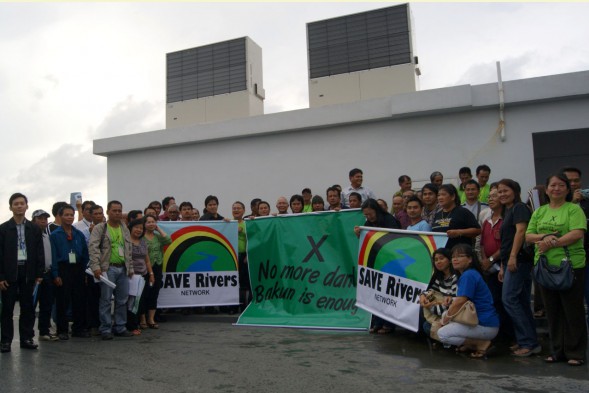
The Tring face critical challenges stemming from large-scale logging, palm oil expansion, and hydroelectric dam construction. These developments have led to widespread deforestation, disrupting traditional livelihoods and threatening the ecological balance of their territory. Displacement from ancestral lands often results in forced assimilation and the erosion of cultural practices and language. Limited political representation and legal recognition further exacerbate their vulnerability in the face of rapid industrial development and environmental degradation.
In response to these threats, the Tring are asserting their rights through cultural revitalization and environmental advocacy. Elders are teaching younger generations traditional knowledge and forest stewardship, while artists and storytellers preserve oral traditions and cosmologies. By participating in Indigenous networks and pushing for land rights recognition, the Tring are reclaiming space in national discourse. Their resilience, rooted in cultural pride and a profound connection to their homeland, stands as a testament to the enduring strength of Indigenous lifeways in the heart of Borneo’s rainforest.