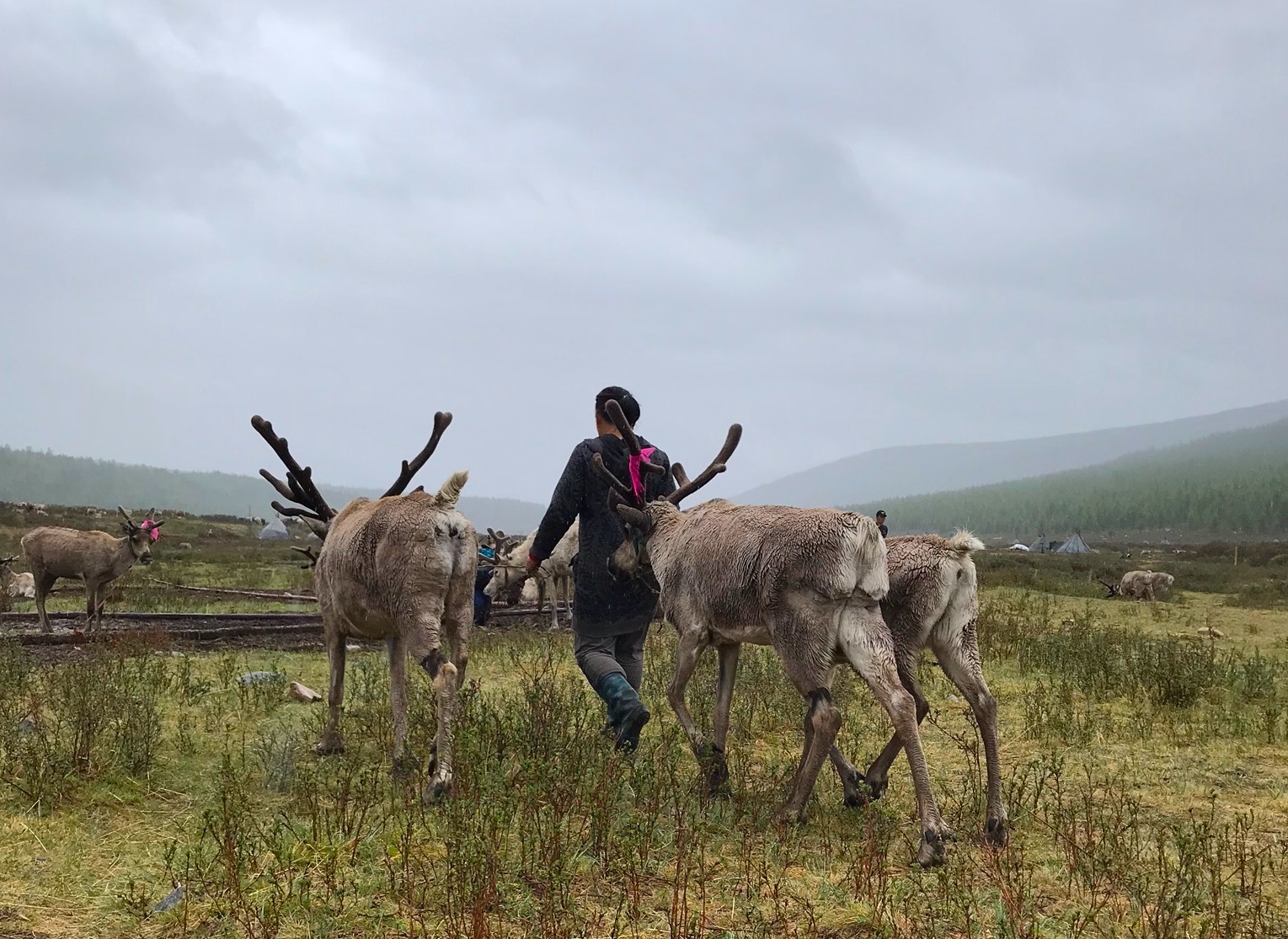
The Tsaatan trace their lineage to the taiga region of Mongolia’s remote Darkhad Valley, where generations have practiced reindeer husbandry as the foundation of daily life. Fluent in the Sayan language dialect, Tsaatan herders navigate dense larch forests and frozen rivers using custom sleds and finely crafted tack. Animistic beliefs and shamanic rituals weave through seasonal migrations, honoring both ancestral spirits and the rhythms of tundra ecosystems. This deep bond with reindeer and forest defines a resilient mountain way of life.
Rapid shifts in temperature, unseasonal storms and dwindling grazing lands threaten traditional reindeer pastures, undermining the Tsaatan’s ability to sustain herd health and mobility. Encroaching logging operations erode forest corridors, while younger generations face pressure to migrate to regional towns in search of schooling and wage labor. Limited access to healthcare, clean water infrastructure and legal land tenure compounds challenges, putting both cultural continuity and physical wellbeing at risk.
In response, Tsaatan herders have launched reindeer conservation cooperatives, blending ancestral knowledge with scientific monitoring to track herd movements and forage availability. Cultural exchange projects invite ecotourists to live alongside herders during seasonal rounds, generating vital income for language classes and craft workshops led by Tsaatan elders. Youth-led storytelling initiatives document shamanic chants and migratory legends, while partnerships with NGOs secure legal recognition of forest corridors. Through sustainable reindeer stewardship, the Tsaatan ensure that their taiga heritage endures and inspires future generations.