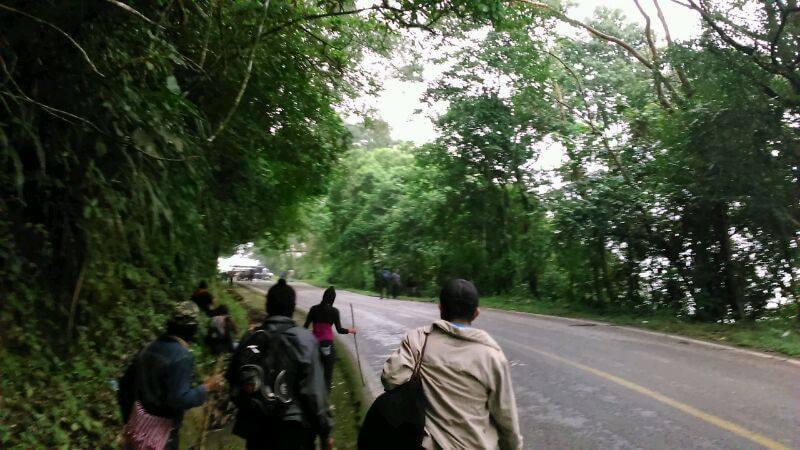
The Tseltal are an Indigenous Maya nation residing primarily in the highlands of Chiapas, Mexico. Rooted in centuries-old traditions, they maintain a vibrant cultural identity expressed through language, clothing, agriculture, and spiritual life. Their worldview—deeply embedded in the cycles of nature and a reciprocal relationship with the land—guides community structure and everyday practices. Traditional governance systems, based on collective decision-making and respect for elders, continue to shape Tseltal society, offering an enduring counterpoint to dominant Western frameworks. Their language, one of the most widely spoken Maya tongues, remains a cornerstone of their identity and cultural preservation.
The Tseltal face ongoing challenges rooted in historical and structural inequalities. Land dispossession, militarization, and extractive development projects—often imposed without consent—have led to displacement, ecological damage, and social unrest. Access to education, healthcare, and legal protection remains limited, particularly in rural areas, where poverty is prevalent. Additionally, attempts to assimilate Indigenous cultures through national education policies and religious conversion efforts have threatened traditional knowledge systems. Despite these obstacles, Tseltal communities have continued to assert their rights, pushing back against centuries of marginalization with grassroots activism and legal advocacy.
What is truly inspiring about the Tseltal is their fierce commitment to self-determination and cultural resurgence. Across the highlands, they have formed autonomous municipalities, championing Indigenous governance and reclaiming control over land, education, and justice. Agricultural cooperatives based on ancestral farming methods foster food sovereignty and economic resilience, while Indigenous-run schools teach in the Tseltal language, integrating spiritual and ecological knowledge. Art, storytelling, and ceremony remain powerful vehicles of resistance and healing. In standing firm against exploitation while nurturing a life-affirming vision rooted in tradition, the Tseltal offer a powerful example of cultural endurance and future-building.